How a bill becomes law: what happens during Parliament's session
From first reading to the President's assent — the stages every bill must clear

Every law passed by Parliament goes through the same basic path. A bill is introduced in one House, debated, often sent to a committee for closer study, and then voted on clause by clause.
If it passes, it moves to the other House, which can pass it, amend it or reject it. Money bills follow special rules: the Rajya Sabha can only recommend changes, and the Lok Sabha has the final word.
Once both Houses agree on the same text, the bill goes to the President for assent. Only then does it become an Act — and many provisions still need rules to be notified before they take effect on the ground.
✓ Editorial check:
proofread by Anil Verma · approved by Meera Saxena · our standards
Was this story useful?
Report a mistake
Related stories
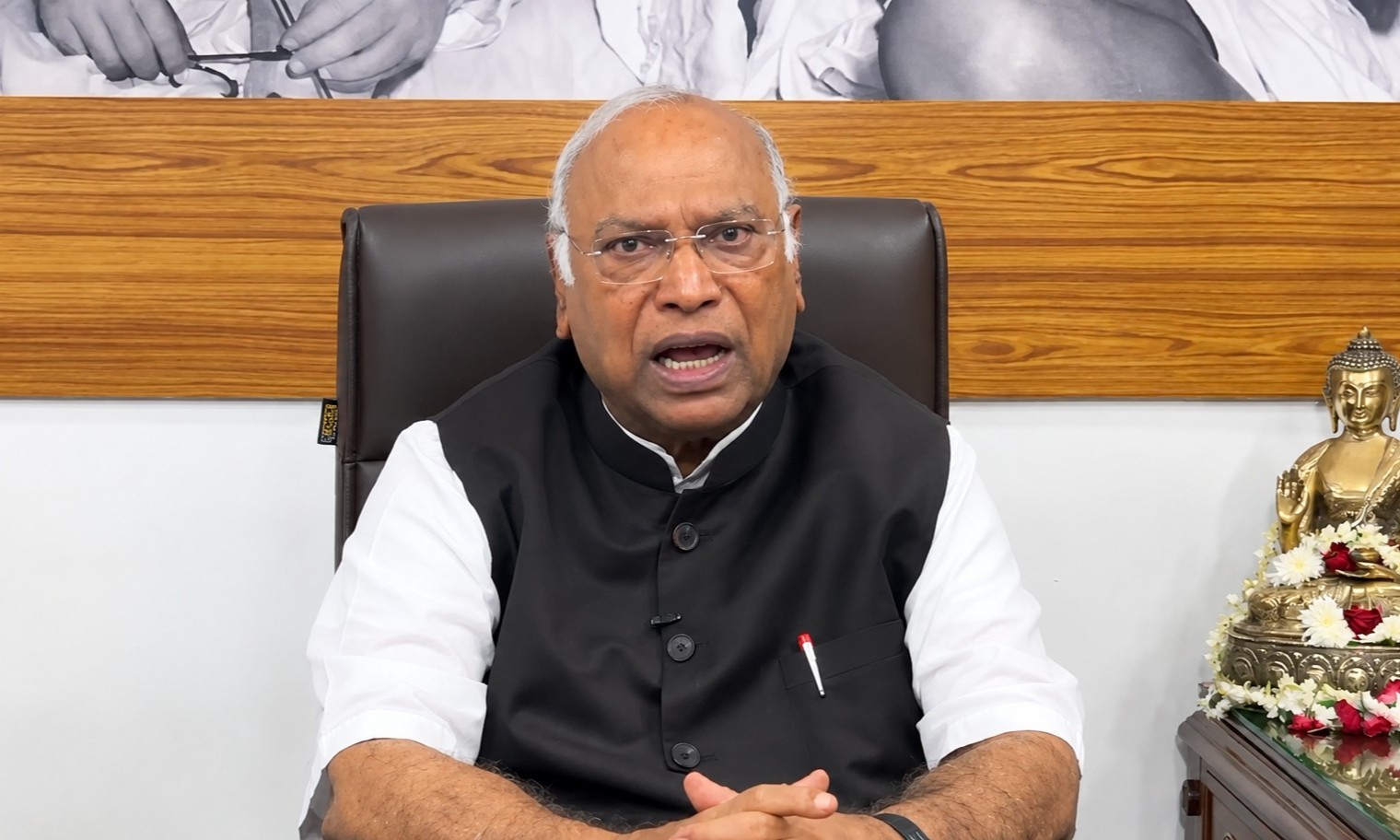
Kharge Calls for November 1 Rally to ‘Save Votes, Save the Nation’

Delhi Police Transfers Second Case Against CJP Leaders to Crime Branch

CJP Leaders Saurav Das, Ashutosh Ranka Remanded to Judicial Custody Till October 21

Reader comments (0)
No comments yet. Be the first.