Trump Waives Russia Sanctions Law: What It Means for India, Russian Oil and US Trade Tariffs
Trump has waived key sanctions and tariff provisions under a new Russia-related law, citing US national interest. The move could ease pressure on India over Russian oil imports, but future trade risks remain.

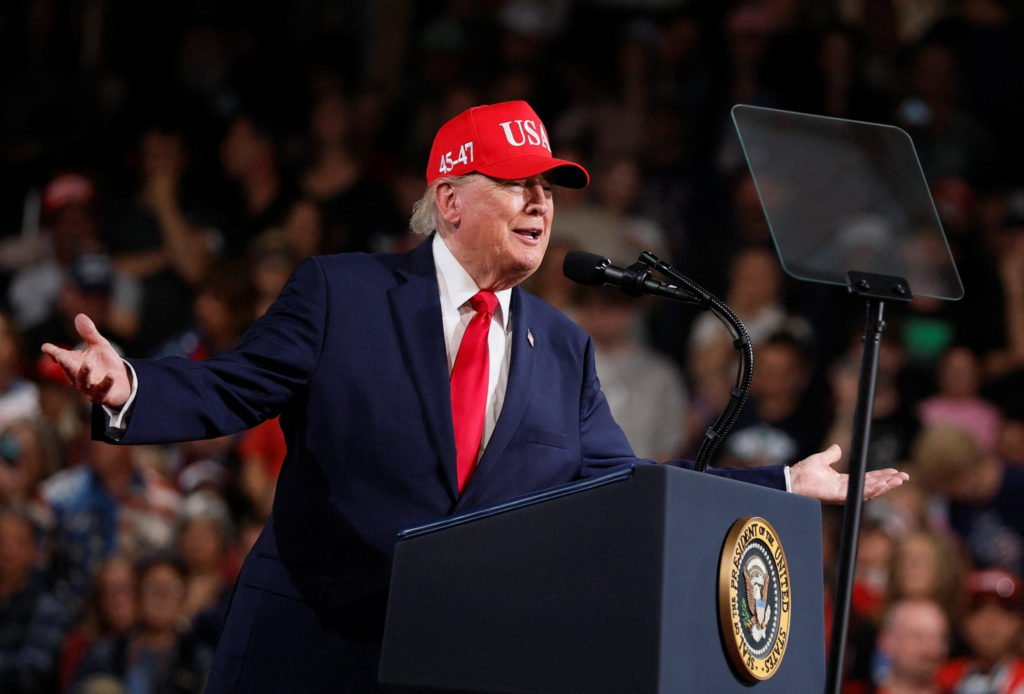
US President Donald Trump has waived the application of several sanctions, restrictions and duties under the Lindsey O. Graham Sanctioning Russia and Iran Act of 2026.
In an executive order issued on October 16, Trump said he was taking this step in the national interest of the United States. He also stated that he had submitted the required certification to Congress.
The decision is important for India because the new law gives the US government the power to impose steep tariffs on countries that continue buying Russian oil and natural gas. India is one of the major buyers of Russian crude oil.
However, there is an important distinction: Trump has waived the application of specified measures under the law; this does not mean that every existing US sanction against Russia has been cancelled. The practical impact depends on which provisions are covered by the waiver and how the administration applies them.
What Is the Graham Act?
The law is named after Lindsey O. Graham, a US senator known for supporting strong action against Russia over its war in Ukraine.
The legislation was signed into law by Trump on September 18, 2026. Its main objective is to increase economic pressure on Russia and discourage countries from continuing to purchase Russian energy.
The law gives the US president powers to impose economic penalties on Russia and, under specified conditions, countries that buy Russian oil and gas or help Russia avoid existing sanctions.
In simple terms, Washington wants to make it harder for Russia to earn money from energy exports, because those earnings help support its economy and can help finance its military operations.
How Could the Law Have Affected India?
India imports a large share of its crude oil requirements from abroad. Russian crude has been an important part of India's energy mix, particularly since the Russia-Ukraine war changed global oil trade.
Indian refiners buy crude oil, process it into petrol, diesel and other petroleum products, and supply these products to the domestic market. Some refined products may also be exported.
The proposed US tariff threat created three major concerns for India.
1. Higher costs for Indian exporters
The law authorised a potential 100% tariff on goods imported into the US from countries meeting specified conditions related to Russian oil and gas purchases. The exact application depends on the statutory requirements and presidential action.
A 100% tariff generally means a customs duty equal to the value of the imported goods. For example, a product valued at $100 could face a $100 tariff, making its pre-tax import cost $200 before other charges.
Such a tariff could make Indian goods significantly more expensive for American buyers and reduce their competitiveness against products from other countries.
2. Pressure on India's energy choices
India has to balance affordable energy supplies, national energy security and its international relationships.
If buying Russian crude led to additional US trade penalties, Indian refiners and policymakers could face pressure to consider oil from other suppliers, including countries in the Middle East, Africa and the Americas.
However, switching suppliers is not always simple. Prices, shipping costs, refinery requirements, payment arrangements and the availability of crude all matter.
3. Possible effects on inflation and fuel prices
Crude oil is a major input for transport, manufacturing, agriculture and many other sectors.
If alternative supplies became more expensive, costs could rise across the economy. Businesses might pass some of these costs to consumers, potentially affecting transport fares, food distribution and the prices of goods.
This is a possible chain of effects, not a guarantee that petrol or diesel prices in India would immediately rise or fall because of the US decision.
Does Trump's Decision Give India Relief?
The waiver could provide immediate relief by reducing the risk that the specified measures under the Graham Act will be applied as originally anticipated.
For Indian businesses, the biggest potential benefit is reduced uncertainty over the immediate threat of additional US tariffs linked to Russian energy purchases.
But the decision should not be interpreted as a permanent exemption for India.
The US administration retains powers under the law, and future decisions could change the level of risk. Other US trade measures and pre-existing sanctions may also continue to apply independently.
India's actual position will depend on the wording and scope of the waiver, any country-specific decisions, and whether Washington introduces new measures later.
Why Does Russia Want to Keep Selling Oil to India?
Energy exports are an important source of revenue for Russia.
When countries purchase Russian crude, they pay for the oil through commercial arrangements involving producers, traders, shipping companies, insurers and financial institutions. The resulting revenue supports Russia's energy industry and wider economy.
Western governments have sought to restrict Russia's ability to finance its war in Ukraine through sanctions and other economic measures.
India, meanwhile, has pursued its own energy interests, including access to competitively priced crude. Indian officials have repeatedly emphasised the importance of energy security and diversified supplies.
This creates a policy conflict: the US wants to increase pressure on Moscow, while India seeks to secure reliable and affordable energy for its population and industries.
What Is a Sanction, and How Is It Different from a Tariff?
These two terms are often used together, but they have different meanings.
Sanctions are restrictions imposed on people, companies, banks, government bodies or economic activities. They may freeze assets, restrict financial transactions or prohibit certain types of trade.
Tariffs are customs duties charged on imported goods. They increase the cost of bringing products into a country and can make foreign goods less competitive.
For example, if the US sanctions a Russian company, American businesses may be prohibited from conducting certain transactions with it. If the US imposes a tariff on Indian goods, American importers may have to pay an additional duty when those goods enter the US.
The Graham Act includes measures involving both sanctions and tariffs, which is why it could affect Russia directly and countries trading with Russia indirectly.
Why Did Trump Invoke National Interest?
The law contains a waiver provision allowing the president to suspend the application of specified sanctions, restrictions or duties if the required conditions are met.
Under Section 115, the president must provide Congress with a written certification that the waiver is in the national interest of the United States and submit a report explaining the basis for that certification.
Trump has said he submitted the required certification. His executive order invokes this authority.
The decision does not, by itself, establish the precise reasons behind the waiver. Possible considerations include energy-market stability, trade relationships and diplomatic priorities, but these should not be presented as Trump's confirmed motives unless supported by an official explanation.
What Happens Next?
The immediate question is how the US administration will implement the waiver and whether it will maintain the suspension of the specified measures.
Three developments will be important to watch:
US trade policy: Whether Washington keeps the relevant tariffs and sanctions waived or later decides to apply them.
India's oil imports: Whether Indian refiners continue purchasing Russian crude at similar levels or adjust their sourcing in response to prices and geopolitical risks.
Russia-Ukraine relations: Whether the US uses economic pressure, diplomatic negotiations or a combination of approaches to influence the war.
For India, the issue is bigger than a single presidential order. It involves the cost of energy, the competitiveness of Indian exports, relations with Washington and Moscow, and the country's ability to maintain a reliable supply of fuel.
The Bottom Line
Trump's decision may reduce the immediate threat of additional sanctions and tariffs under the Graham Act, including measures that could have affected India because of its Russian oil purchases.
But it is not a blanket cancellation of all Russia-related sanctions, nor does it permanently shield India from future US trade action.
For ordinary Indians, the key point is that the decision could help reduce uncertainty around energy imports and exports, but any effect on petrol prices, inflation, jobs or Indian businesses will depend on what happens next.
The waiver creates room for diplomatic and commercial flexibility. It does not settle the wider dispute over Russian oil, the war in Ukraine or US trade policy.

Reader comments (0)
No comments yet. Be the first.