France Protests Turn Violent: Macron Calls for Calm as Police Arrest 2,400
French President Emmanuel Macron has urged people to remain calm after protests over fuel prices, living costs and public services turned violent. Looting, fires and clashes with police have deepened concerns over public order and political divisions.

France has witnessed a major wave of public anger, with hundreds of thousands of people taking to the streets to protest against rising fuel prices, the cost of living and deteriorating public services, including schools.
What began largely as a peaceful demonstration escalated into rioting and looting in several cities. Shops were damaged, cars and buildings were set on fire, and protesters clashed with police. Paris, Marseille, Lille and other areas experienced disorder, while the historic city hall in Limoges was severely damaged by fire.
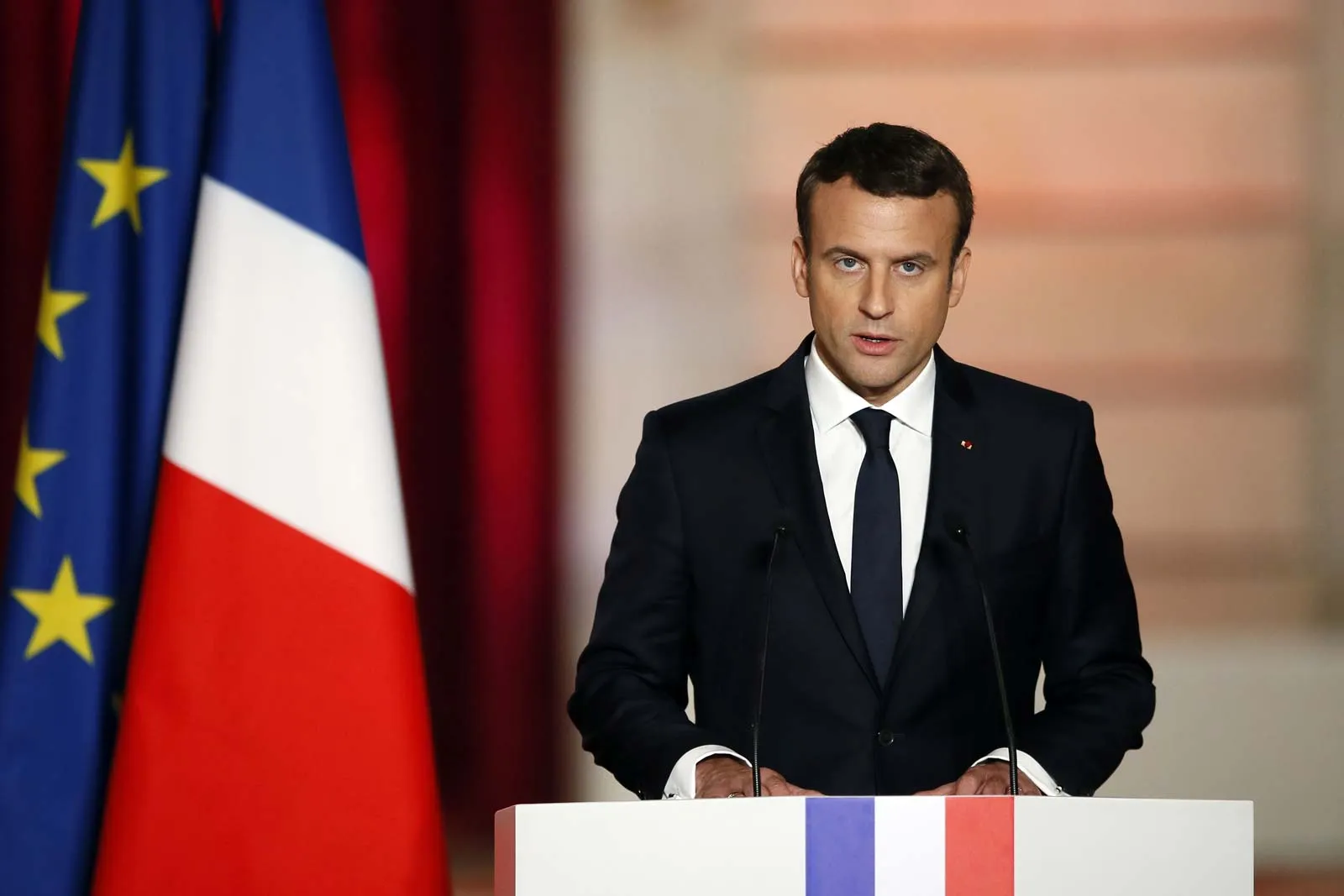
French President Emmanuel Macron has appealed for calm and order. In a televised address from the Élysée Palace, he said that people’s genuine concerns must be separated from the actions of those who destroyed property and looted businesses.
His message was clear: people have the right to protest, but violence and destruction cannot be justified by anger against the government.
According to the figures in the supplied report, France’s Interior Ministry said around 2,400 people had been arrested. The report also cited about 1,000 police officers injured during Saturday’s unrest, including seven seriously. These figures relate to the reported events and should be checked against the latest official updates before publication.
What are the protesters angry about?
The anger is not about one issue alone. Several concerns have come together, making the protests larger and more intense.
First, the rising cost of living. When fuel, transport, food and other everyday expenses become more expensive, people with limited incomes feel the pressure most. For many protesters, the issue is whether their earnings are enough to cover basic needs.
Second, concerns about public services. Demonstrators have also raised concerns about schools and the quality of public services. Students and education-related groups joined the wider demonstrations, bringing their own demands into a protest that was already driven by economic frustration.
Third, a wider feeling of political dissatisfaction. Some protesters believe the government is not listening to ordinary people. The combination of financial pressure and frustration with public institutions has helped bring together students, trade union members and other anti-government groups.
The scale of the demonstrations shows that these concerns extend beyond a single city or group. However, it would be wrong to assume that everyone who marched supported the violence that followed. Many people took part to express their demands peacefully.
Why is the violence such a serious concern?
The damage in Limoges has become one of the clearest examples of how far the unrest escalated. The city’s historic 19th-century town hall was engulfed by fire on Saturday. Its roof and clock tower collapsed, leaving the building severely damaged.
Businesses were also looted, shop windows were smashed and vehicles were set on fire in several cities. In Paris, police used tear gas and other crowd-control measures as clashes continued on Sunday, although the disorder was reported to be less widespread than on Saturday.
For residents and business owners, the consequences go beyond damaged buildings. Shopkeepers may lose stock and income, public money may be needed for repairs, and people can feel unsafe in their own neighbourhoods.
That is why Macron has drawn a distinction between peaceful demonstrators and those involved in violence. A person can oppose government policy without supporting the destruction of public property or the looting of shops.
What did Macron promise?
Macron said those responsible for violence would face justice. He also called for greater protection for shops and public buildings, with local prefects and mayors expected to work on measures to prevent further damage.
At the same time, he promised transparency over the police response. This matters because the government must address two questions: how to prevent violent groups from attacking people and property, and whether the police response was properly planned and proportionate.
Reuters reported that Macron ordered a review of whether there had been failures in intelligence gathering or police preparedness before the demonstrations. He also called for discussions involving students, teachers, lawmakers, trade unions and business representatives to develop proposals addressing the underlying problems.
In other words, the government is facing pressure to restore order while also showing that it has heard the concerns that brought people onto the streets in the first place.
Why are French politicians blaming each other?
The protests have also exposed France’s political divisions. Different political leaders agree that the situation is serious, but they disagree over who is responsible and how the government should respond.
Interior Minister Laurent Nuñez defended the right to demonstrate but blamed far-left groups for attacks on public buildings and confrontations with police. He said people involved in looting and vandalism had added to the disorder.
Jean-Luc Mélenchon, leader of the left-wing party La France Insoumise, criticised the government’s handling of the demonstrations and accused police leaders of incompetence.
Marine Le Pen, leader of the far-right National Rally, condemned what she described as the exploitation of public anger by political forces encouraging violence.
These statements reflect the politicians’ positions; they do not establish that one political group was responsible for all the violence. The demonstrations brought together people with different demands, and the actions of those who committed crimes should be assessed on the available evidence.
Is this another Yellow Vest movement?
France has seen similar public anger before. In 2018, the Yellow Vest movement began with opposition to fuel-tax increases and grew into a wider protest against the cost of living and perceived economic unfairness.
The current unrest has some similarities: economic pressure, anger over government policies and a feeling among some people that their concerns are not being heard. Reports have also linked the latest demonstrations to efforts to revive the Yellow Vest movement.
But the two movements should not automatically be treated as identical. The causes, participants and political circumstances can differ. The important similarity is that economic concerns can grow into a much wider crisis when people lose confidence that their grievances are being addressed.
What happens next?
The immediate challenge for France is to prevent further violence, protect public spaces and businesses, and investigate the incidents that took place over the weekend.
The government must also deal with the issues raised by peaceful demonstrators. Arrests and security measures may help restore order, but they will not, on their own, resolve concerns about living costs, schools and public services.
The police response will face scrutiny as well. Macron’s promise of transparency means the government will need to explain whether security preparations were adequate and whether officers acted appropriately during the clashes.
The bigger lesson is that a democratic government has two responsibilities: protect people from violence and take public grievances seriously. Peaceful protest is a democratic right, but it does not give anyone the right to burn buildings, attack police or loot businesses. Equally, restoring order does not remove the need to understand why so many people felt compelled to take to the streets.
France’s challenge now is to restore public confidence before the anger spreads further.
Report a mistake
Related stories
20-Year-Old Co-Pilot’s Mayday Calls Before Fatal Florida Plane Crash Revealed
Israel Election Deadlock: Netanyahu Leads as Opposition Closes Gap

UAE Honours flydubai Crew for Courage During September In-Flight Incident
Reader comments (0)
No comments yet. Be the first.