Harmanpreet Kaur: From Moga to India’s Historic World Cup Captain, the Woman Who Changed Indian Cricket
After nearly a decade at the centre of Indian women’s cricket, Harmanpreet Kaur has stepped down as captain, leaving behind a legacy built on fearless batting, historic victories and a belief that India could win on the biggest stage.

There are moments in sport when a player scores runs. And then there are moments when a player changes the way an entire country sees a sport. For Harmanpreet Kaur, that moment came in 2017.
At Derby, England, India were playing Australia in the semi-final of the Women's Cricket World Cup. Harmanpreet walked in with India under pressure.
What followed was extraordinary.
She smashed an unbeaten 171 from just 115 balls, including 20 fours and seven sixes, to take India past Australia and into the World Cup final. It remains one of the most famous innings in women's cricket.
India eventually lost the final to England at Lord's. But something had already changed. Millions of Indians who had rarely followed women's cricket suddenly knew the name Harmanpreet Kaur.
The defeat became part of the story. The 171 became the beginning of a new one.
On October 6, 2026, Harmanpreet announced that she was stepping down as India's captain across formats. She is not retiring from international cricket.
She is simply handing over the responsibility of leading the team. And after almost a decade at the centre of Indian women's cricket, her departure from the captaincy deserves to be understood not just as a change of leadership, but as the end of an important era.
The girl from Moga
Harmanpreet was born on March 8, 1989, in Moga, Punjab.
Cricket was not an obvious career for a girl growing up in a small Punjabi town. There were limited facilities for women's cricket and very few visible pathways for a young girl who wanted to play the sport professionally. Yet Harmanpreet continued playing. Her early development came through the support of her family and coaches, eventually taking her from local cricket to the national setup.
The journey was not overnight. She made her international debut against Pakistan in the 2009 Women's Cricket World Cup, when she was only 20. At that stage, she was still developing as an all-rounder.
She bowled medium pace before later moving towards off-spin, while her aggressive batting gradually became her biggest strength. Her batting style was fearless. She attacked the ball rather than waiting for it. And that approach would eventually become a defining part of her identity.
The rise of a fearless batter Harmanpreet's career began changing rapidly in the middle of the 2010s. In 2016, she became India's full-time T20I captain. That same year, she became the first Indian cricketer to be signed by an overseas women's T20 franchise, joining Australia's Sydney Thunder for the Women's Big Bash League.
The move was important because Indian women's cricket was still developing its professional structure. Harmanpreet was now competing alongside some of the world's best players in a major overseas league.
It gave her experience. It gave her confidence.
And it helped demonstrate that Indian women could compete in the rapidly growing international franchise game. Then came 171
The 2017 World Cup changed everything. India had reached the semi-final against Australia, one of the strongest teams in women's cricket. India were struggling at 35 for two when Harmanpreet came to the crease.
She initially played carefully. Then she exploded. Her last 121 runs came from only 51 balls as she destroyed the Australian attack. The final score was 281 for four, and Australia were beaten by 36 runs. The innings remains one of the defining performances in women's World Cup history.
More importantly, it changed the relationship between Indian audiences and women's cricket. The ICC later described the 2017 campaign as a turning point for the women's game in India. Harmanpreet herself has said that the reception the team received after returning home showed how much the tournament had changed public interest.
India lost the final to England by nine runs. But the team returned home to a level of attention that women's cricket in India had rarely experienced before.
From player to leader
Harmanpreet's leadership responsibilities grew with time. She became India's regular T20I captain in 2016 and took over the ODI captaincy after Mithali Raj's retirement in 2022. Under her leadership, India won the 2022 Women's Asia Cup and the 2022 Asian Games gold medal.
She also became a major figure in franchise cricket. As captain of Mumbai Indians, she led the team to the inaugural Women's Premier League title in 2023. Mumbai went on to win two of the first three WPL seasons, further strengthening Harmanpreet's reputation as a leader in high-pressure cricket. But her most important captaincy achievements were still ahead.
Historic Test victories Harmanpreet's impact was not limited to white-ball cricket. In December 2023, during her first Test as India's captain, India defeated England by 347 runs in Navi Mumbai, then the biggest victory by runs in women's Test cricket.
Days later, India defeated Australia in a Test match in Mumbai. That victory was historic because India had never previously beaten Australia in a women's Test. It showed another side of Harmanpreet's leadership: the ability to compete against the strongest teams not simply in limited-overs cricket, but in the longer format as well.
The World Cup that completed the story
If the 2017 World Cup made Harmanpreet a national star, the 2025 World Cup completed one of the most remarkable arcs in Indian women's cricket. Eight years earlier, she had scored 171 against Australia but lost the final. In 2025, Australia again stood between India and a place in the final.
This time, Harmanpreet scored 89 in the semi-final and shared a huge partnership with Jemimah Rodrigues. India chased down Australia's 338 to score 341 for five—the highest successful chase in women's ODI history at that time—and reached the final.
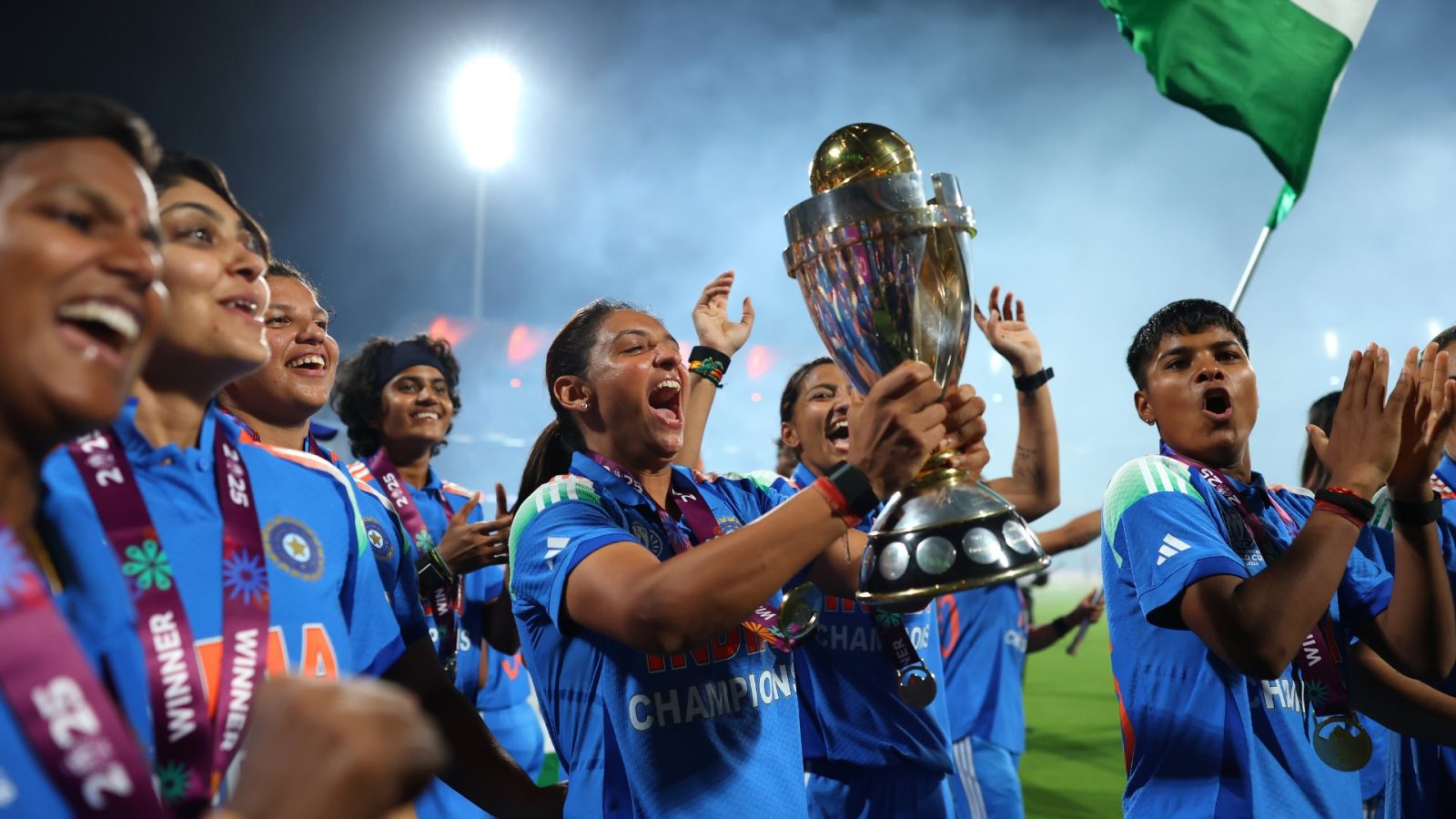
Three days later, India defeated South Africa by 52 runs. India had finally won the Women's Cricket World Cup. And the trophy was lifted by Harmanpreet Kaur. The same player who had walked away heartbroken from Lord's in 2017 was now the captain who had led India to its first women's 50-over World Cup title.
That is perhaps the most powerful part of her legacy. The 171 did not win India the World Cup. But the belief created by that innings eventually helped lead to the World Cup victory eight years later. Her biggest contribution may not be a statistic Harmanpreet's numbers are impressive. But statistics alone cannot explain her importance. She helped change the idea of what an Indian woman cricketer could be.
Before her generation, players such as Mithali Raj and Jhulan Goswami had already built the foundations. Harmanpreet became one of the players who helped take those foundations into the modern era of professional women's cricket.
She played in overseas leagues.
She became a franchise captain.
She played aggressive cricket.
She challenged established teams.
And she repeatedly showed younger Indian players that the biggest stages were not places to be afraid of.
The ICC has described her captaincy period as one filled with historic achievements, noting that she led India in 211 matches across formats. In September 2026, she also became the first captain—male or female—to lead a team in 150 T20 internationals.
The final chapter as captain
Her final years as captain were not without difficulties. India experienced disappointing results in major tournaments and faced the normal pressure that comes with leading a team expected to win. But even during difficult periods, Harmanpreet remained a central figure.
In 2026, she again led India at the Women's T20 World Cup. Earlier in the year, the ICC described her as a player who wanted India to move beyond simply competing and develop a culture of consistently winning. That ambition defined much of her career. She was never the quiet captain who simply tried to survive a match.
She wanted India to take the game to the opposition. Sometimes that approach worked spectacularly. Sometimes it did not. But it helped create a more confident Indian team. More than 9,000 international runs By the time she stepped down as captain, Harmanpreet had accumulated more than 9,000 international runs and remained a valuable all-round option.
Her career has also included significant bowling contributions. That is an important part of her story because she was not originally known simply as a batter. She developed from a medium-pace bowling all-rounder into a player who could contribute with off-spin and become one of India's most dangerous middle-order batters.
Her ability to contribute in more than one discipline made her especially valuable in limited-overs cricket. Recognition beyond cricket Her influence has also been recognised outside the boundary. She became the first Indian woman to be named Wisden Cricketer of the Year in 2023.
She was also included in the TIME100 Next list and recognised by the BBC among its influential women. In 2026, she received the Padma Shri, one of India's important civilian honours. For a player who began her journey in Moga, these recognitions represent how far both she and Indian women's cricket have travelled.
Why stepping down matters Harmanpreet is only 37 and is not retiring from international cricket. That distinction is important. She is giving up the captaincy, not the game. The decision allows her to continue contributing as a senior player while giving the next generation an opportunity to lead.
Smriti Mandhana, India's long-time vice-captain, has now taken over as captain. That makes the transition particularly meaningful. Mandhana was herself part of the 2017 World Cup campaign. She saw the impact of Harmanpreet's 171 first-hand. Now she inherits the captaincy from the woman whose innings helped change the course of Indian women's cricket.
A legacy bigger than one innings Harmanpreet Kaur's career cannot be reduced to 171 not out. Nor can it be reduced to the 2025 World Cup trophy. Her real contribution lies somewhere between those two moments. In 2017, she showed India that its women could produce extraordinary performances on the world's biggest stage.
In 2025, she showed that India could go one step further and actually win the biggest prize. Between those two World Cups came overseas franchise cricket, WPL titles, Asian Games gold, historic Test victories, personal records and the gradual professionalisation of women's cricket.
The captaincy is now changing hands. But Harmanpreet's influence will remain inside the Indian dressing room. She leaves the leadership role having done something few athletes get the chance to do:
she helped change the expectations of an entire generation.
The girl from Moga once needed people to believe that she could play cricket.
Years later, she became the captain who made millions of people believe that Indian women could win the World Cup. The captaincy has ended. Harmanpreet Kaur's cricket journey has not.
- ICC — 2017 Women's Cricket World Cup semi-final and Harmanpreet's 171*.
- ICC — The impact of the 2017 World Cup on Indian women's cricket.
- ICC — Harmanpreet Kaur's career profile and early international milestones.
- ICC — India's 2025 World Cup semi-final against Australia.
- ICC — Harmanpreet's 2026 T20 World Cup leadership and comments on India's winning mindset.
- Wisden — Harmanpreet Kaur's 2026 WPL performance.
Report a mistake
Related stories
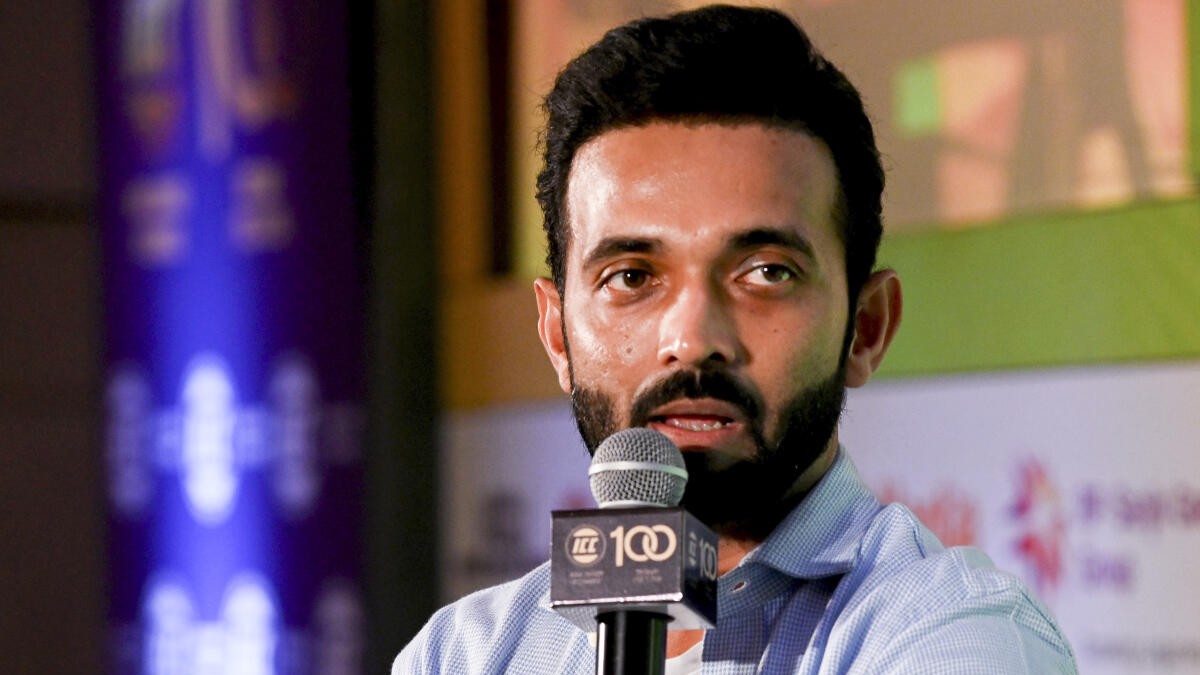
Ajinkya Rahane Reveals How He Bluffed Australia After India’s 36 All Out
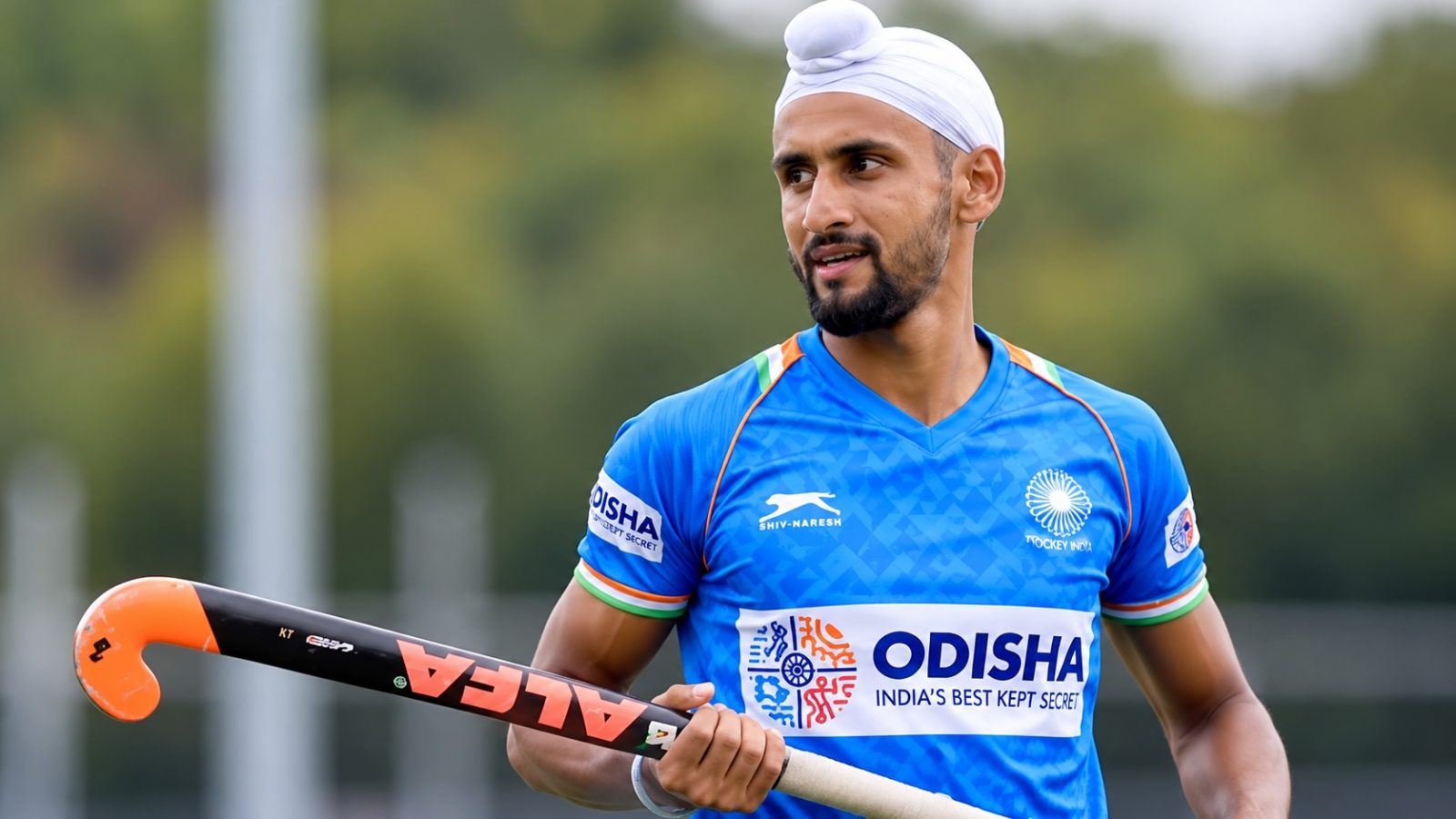
Asian Champions Trophy: Jalandhar and Mohali Hockey Pitches Ready for Top-Level Action
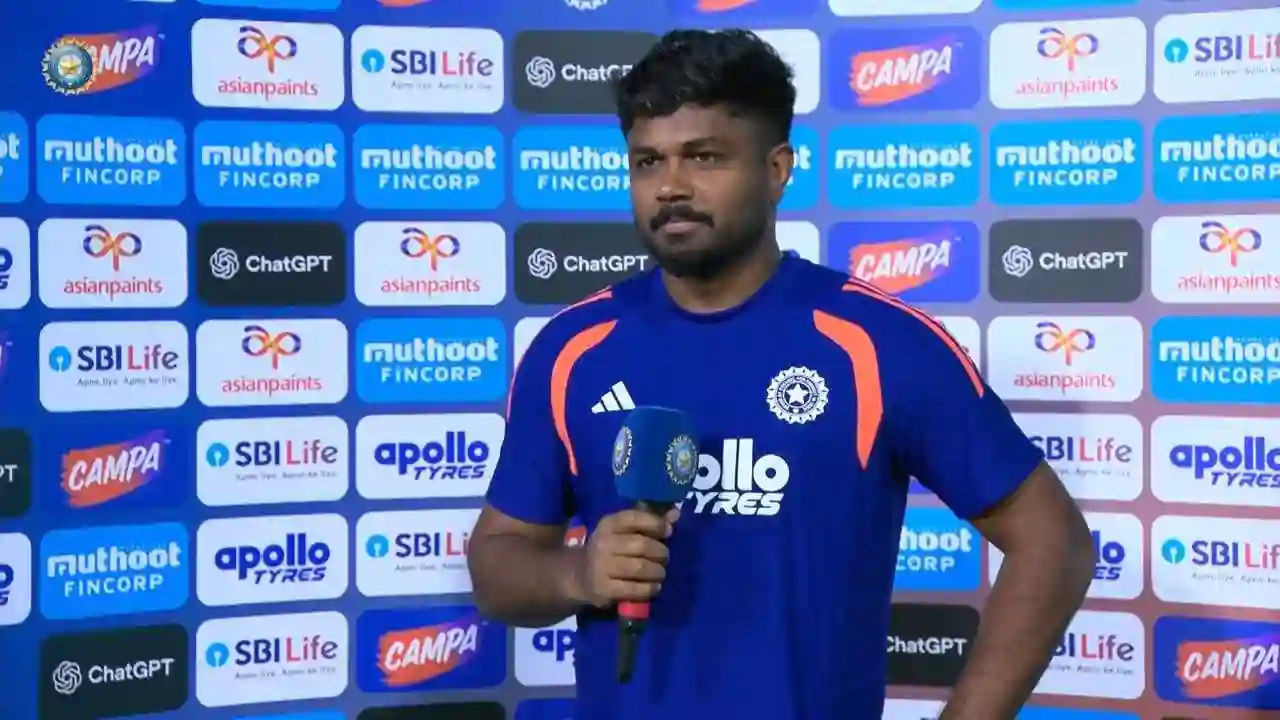
India Pull Off Record T20I Chase as Sanju Samson and Naman Dhir Star Against New Zealand
Reader comments (0)
No comments yet. Be the first.