Court to Hear Rahul Gandhi, Opposition Plea Against Voter List Revision on October 15
The Supreme Court will hear Rahul Gandhi and other opposition leaders' petition alleging irregularities in the Special Intensive Revision of electoral rolls, including large-scale voter deletions and demands for safeguards.

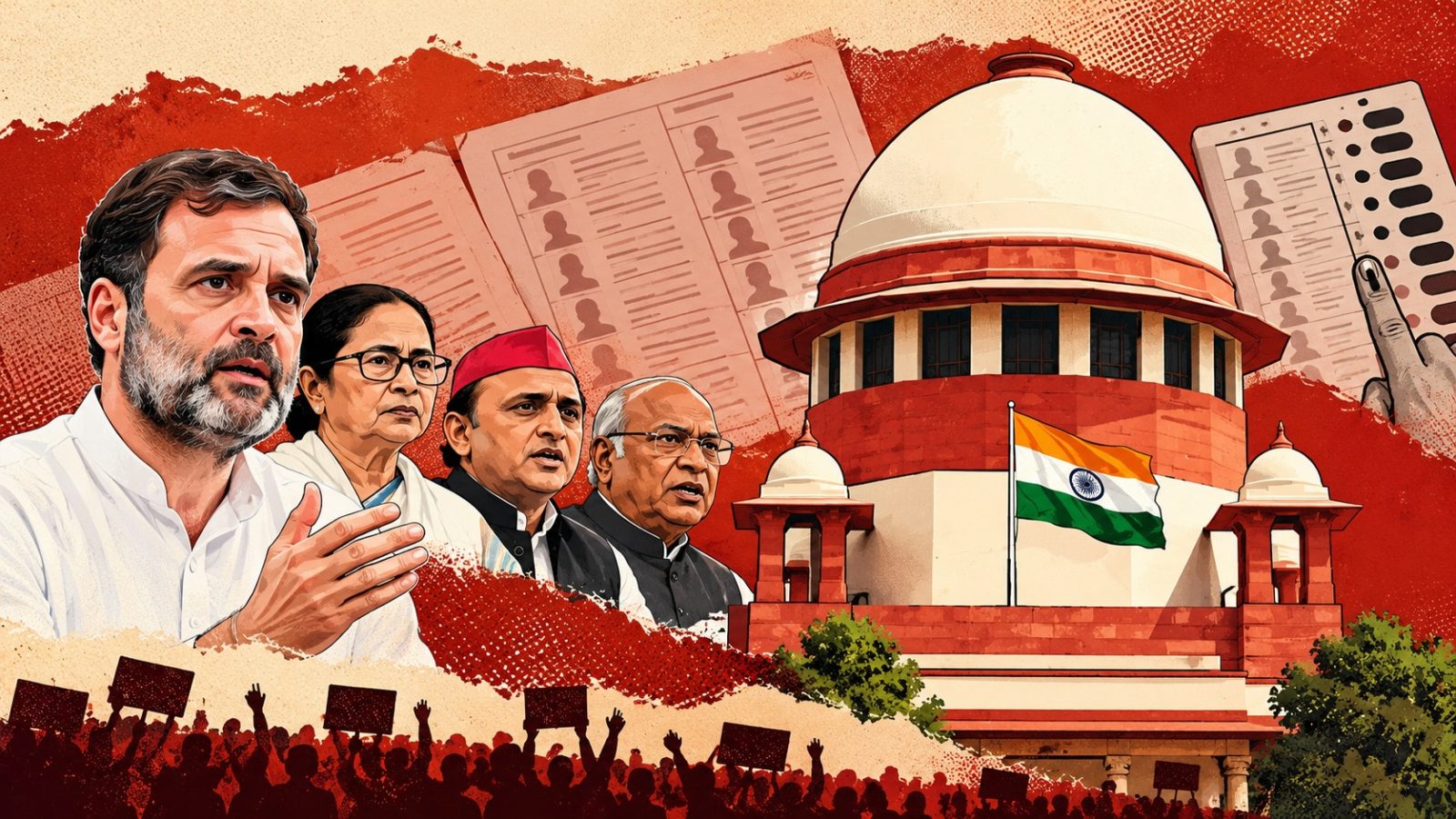
The Supreme Court of India is scheduled to hear on Thursday, October 15, a petition filed by Congress leader Rahul Gandhi and several opposition leaders raising concerns about alleged irregularities and large-scale deletions of names during the Special Intensive Revision (SIR) of electoral rolls.
According to the Supreme Court's cause list for October 15, the matter is listed before a bench comprising Chief Justice of India Surya Kant and Justice Joymalya Bagchi. The petition raises questions about the transparency of the voter-list revision process, the removal of eligible voters' names and the safeguards available to citizens whose names may be deleted. The petitioners have asked the court to consider independent scrutiny of changes made to electoral rolls during the exercise.
The hearing is significant because electoral-roll revisions determine who can participate in elections. The petitioners argue that any process involving the deletion of voter names must provide adequate procedural safeguards and an opportunity for affected individuals to challenge the decision.
Opposition seeks independent investigation into SIR irregularities
The petitioners have asked the Supreme Court to establish an independent committee headed by a retired judge of the apex court, with technical experts included in the panel, to examine changes made to electoral rolls during the SIR exercise.
The proposed committee would investigate allegations of irregularities and assess the circumstances in which voters' names were removed. The opposition leaders have argued that an independent review would help establish whether the revision process followed the required procedures and adequately protected eligible voters.
The petition seeks judicial scrutiny of the process rather than relying solely on the existing administrative mechanisms responsible for maintaining electoral rolls.
Plea seeks protection against deletion without notice
A central demand in the petition is that no voter's name should be deleted from the electoral roll without prior notice and a reasonable opportunity to be heard.
The petitioners contend that voters must have an effective chance to respond if their eligibility or registration details are questioned. Such safeguards are particularly important where changes to electoral rolls could affect a person's ability to vote.
Under India's electoral framework, the preparation and revision of electoral rolls are governed by election laws and applicable procedures. The Supreme Court's consideration of the petition could clarify the safeguards applicable to the disputed SIR exercise.
However, the demands in the petition are requests for judicial relief; they should not be interpreted as directions already issued by the court.
Opposition demands interim suspension of SIR
The opposition leaders have also requested an interim stay on the SIR process until the case is decided.
If granted, such relief could affect the continuation of the revision exercise while the court examines the allegations and the proposed safeguards. If the court declines to suspend the process, the revision could continue subject to any directions issued by the judiciary or the Election Commission.
The Supreme Court's hearing will therefore be important in determining whether the petitioners receive interim relief and whether the court seeks further responses from the Election Commission or other authorities.
No outcome of the October 15 hearing should be assumed before the court's order is available.
Rahul Gandhi, Mallikarjun Kharge and other opposition leaders among petitioners
The petition has been filed by several prominent opposition leaders, including:
- Rahul Gandhi, Leader of the Opposition in the Lok Sabha - Mallikarjun Kharge, Congress president - Saugata Roy, Trinamool Congress MP - Akhilesh Yadav, Samajwadi Party president - Tejashwi Yadav, Rashtriya Janata Dal leader
Their involvement highlights the political significance of the dispute, with opposition parties demanding greater transparency in the process of revising electoral rolls.
The case also places the Election Commission's voter-registration procedures under judicial scrutiny. The court's eventual findings could have implications for how electoral-roll revisions are conducted and how objections to deletions are addressed.
Why the SIR case matters
The Special Intensive Revision is an electoral-roll exercise intended to review and update voter lists. Such revisions can help identify errors and ensure that electoral records remain accurate. However, concerns arise when eligible voters allege that their names have been removed or that they have not received adequate notice or an opportunity to challenge a deletion.
The Supreme Court's examination of the petition could address the balance between maintaining accurate electoral rolls and protecting eligible citizens' voting rights.
The key questions are whether the revision process has followed the applicable legal safeguards, whether an independent review is warranted and whether the process should continue while the allegations are examined.
The proceedings will be closely watched by political parties, election officials and voters concerned about the integrity of electoral registration.
Report a mistake
Related stories
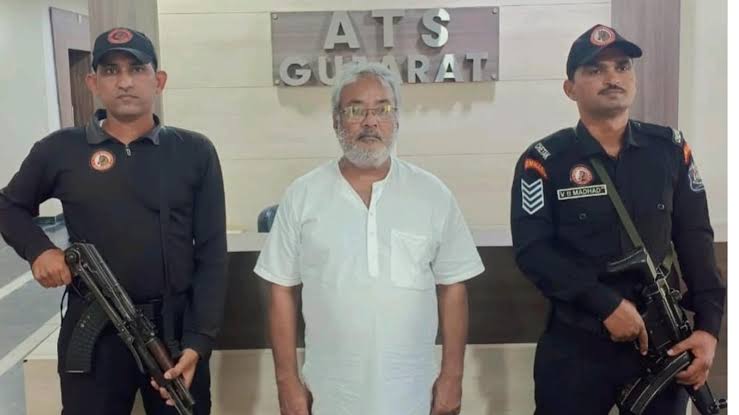
Gujarat ATS Takes Salim Ismail Dola into Custody in ₹438-Crore Vadodara Drug Case
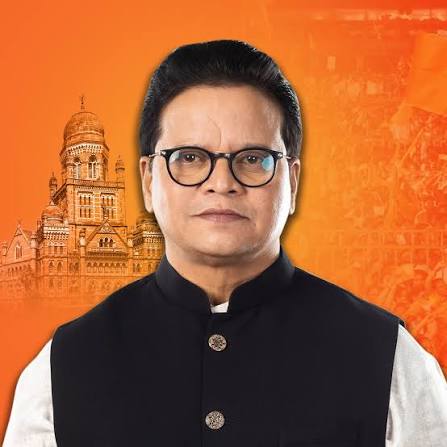
BMC Should Repost Dia Mirza’s Pollution-Free Diwali Video: Deputy Mayor Sanjay Ghadi
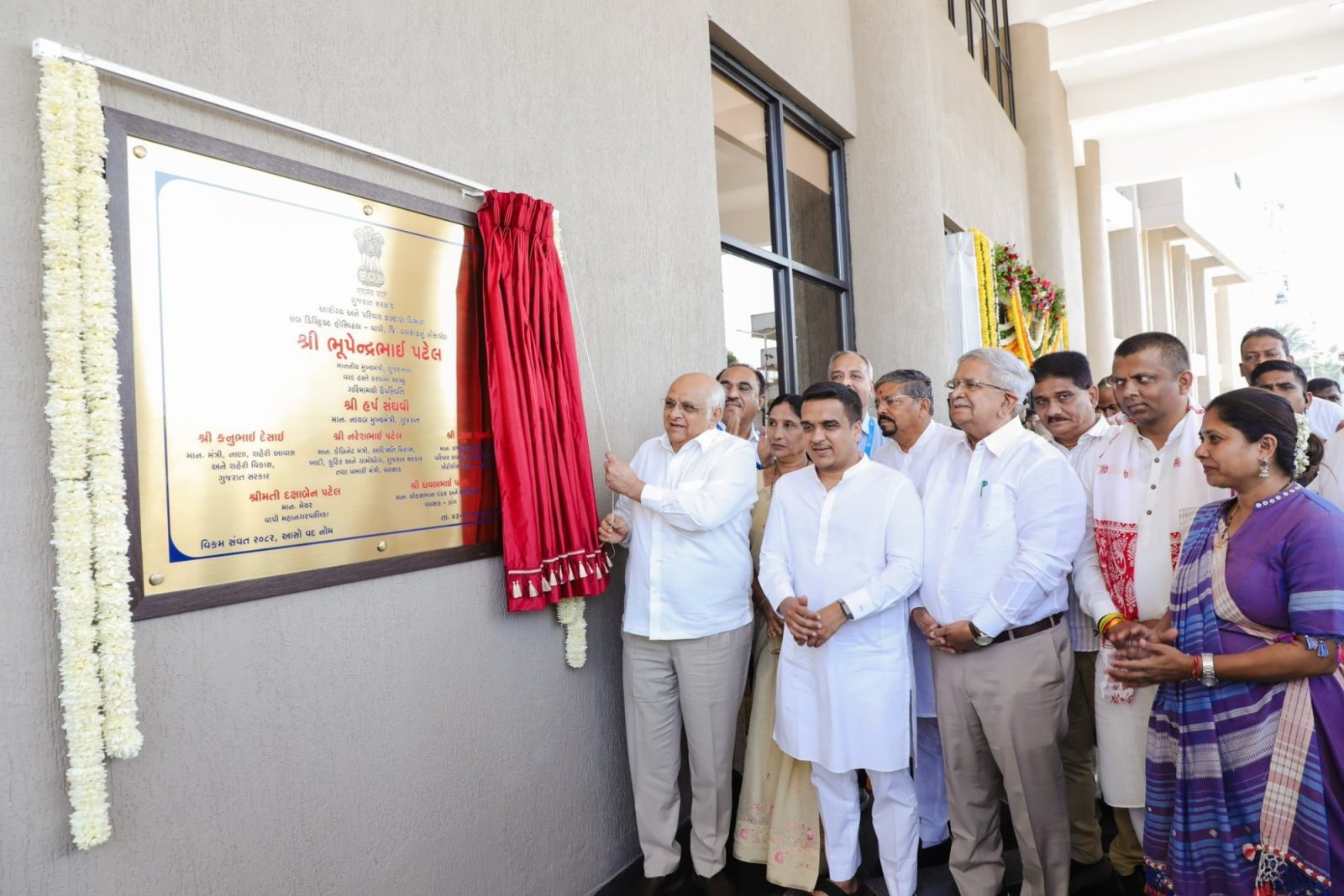
Gujarat CM Bhupendra Patel Inaugurates ₹48.22-Crore Modern Hospital in Vapi
Reader comments (0)
No comments yet. Be the first.