Mohan Bhagwat Says Attempts to Weaken India Will Fail, Warns Against Politically Driven Protests
RSS chief Mohan Bhagwat has warned that attempts to divide India will fail. In his annual Vijayadashami speech in Nagpur, he questioned whether political protests can solve problems and urged society to protect national unity.

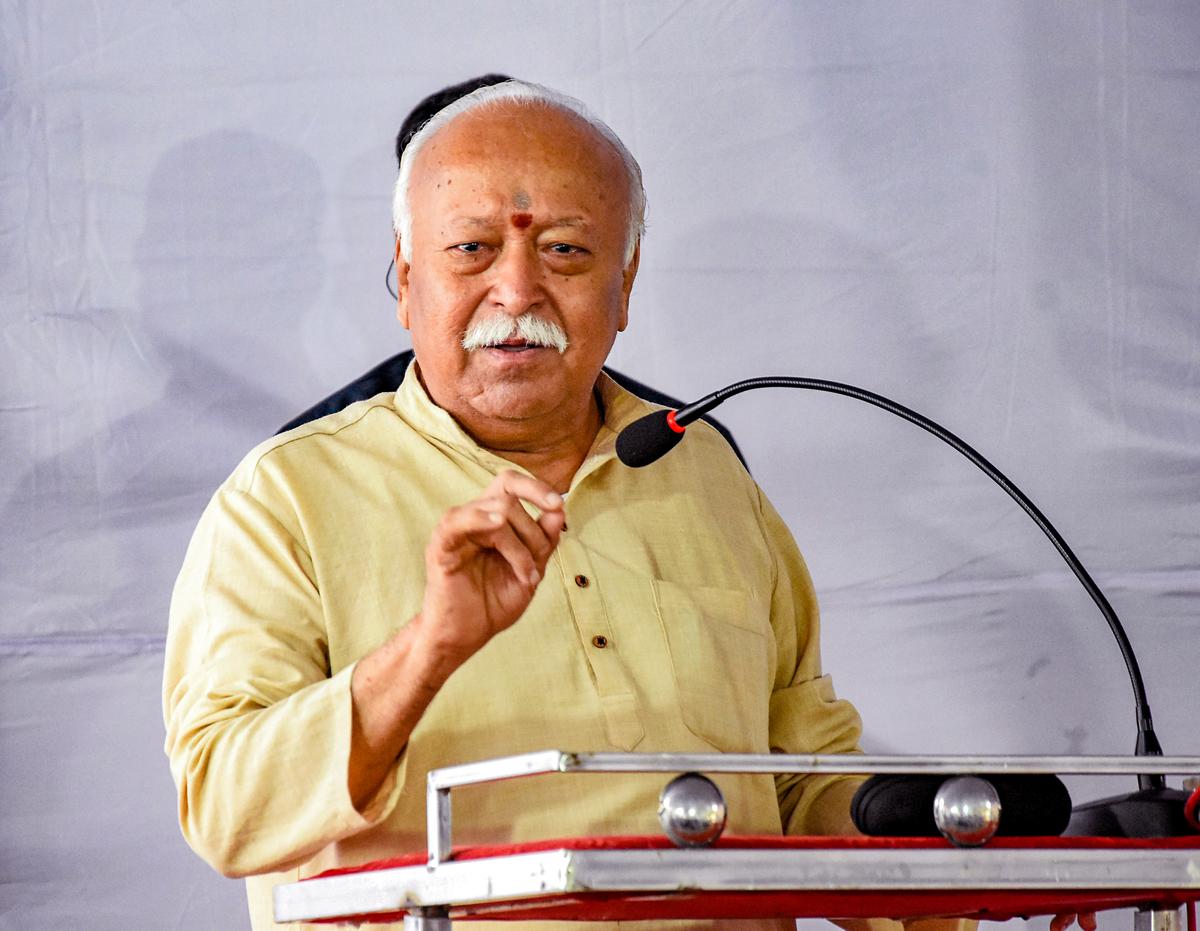
Rashtriya Swayamsevak Sangh (RSS) chief Mohan Bhagwat has said that attempts to divide or weaken India will not succeed. He also warned that people should not assume that changing the government would automatically change the country's situation.
Bhagwat made these remarks during the RSS's annual Vijayadashami address in Nagpur on Tuesday. His speech came amid political protests over alleged lack of transparency in the Election Commission's Special Intensive Revision (SIR) of electoral rolls and demands for Chief Election Commissioner Gyanesh Kumar to resign.
Bhagwat argued that protests do not always bring solutions and said that many problems need to be addressed from within society. He also warned that protests driven by political interests or outside influence could increase tensions and disturb public order.
His remarks reflect the RSS leadership's view that social unity and public awareness are important for India's future. However, the question of whether protests bring change remains a matter of political debate, as demonstrations are also a recognised way for citizens to express concerns and demand accountability.
Why did Bhagwat say India is a target?
During his speech, Bhagwat said India was attracting attention from forces that did not want the country to continue its progress.
He argued that India's growth and policy decisions had made it difficult for such forces to stop its development directly. According to him, these forces were instead trying to weaken the country and the RSS.
Bhagwat also warned that some international developments could influence political debates in India. He urged citizens to remain alert and avoid actions that could create division within society.
These statements represent Bhagwat's assessment of the political situation. His speech did not, by itself, establish evidence of a coordinated international plan to destabilise India.
Bhagwat refers to France, Bangladesh and Nepal
Bhagwat also referred to political unrest in other countries, including France, Bangladesh and Nepal. He suggested that developments in these countries offered lessons about how protests can affect governments and public order.
In Bangladesh, student-led protests grew into a nationwide movement in 2024, leading to the departure of Prime Minister Sheikh Hasina. In Nepal, youth-led protests in September 2025 contributed to the fall of the government led by KP Sharma Oli.
Bhagwat warned that similar attempts to create instability should not succeed in India. He said some people in the country appeared to support ideas that could weaken national unity.
It is important to understand that these countries have different political situations. Protests can have different causes and outcomes, and Bhagwat's comparison reflects his political assessment rather than proof that the same events are being planned in India.
Why did he bring up Vande Mataram and the Partition of India?
One of the key parts of Bhagwat's speech focused on India's history and national unity. He spoke about the 1905 Partition of Bengal, introduced by the British government under Lord Curzon.
The partition divided Bengal into separate administrative units, a move widely opposed by Indian nationalists. The Swadeshi movement grew in response, encouraging people to boycott British goods and support Indian-made products. Vande Mataram became an important symbol of national unity and resistance during this period.
Bhagwat said that people had united to oppose the division of Bengal but had failed to prevent the Partition of India in 1947. He argued that religious divisions, political ambitions and self-interest had weakened the bonds that once held people together.
His message was that people should not allow differences in religion, identity or political opinion to destroy their sense of belonging to one country.
What is the RSS Vijayadashami address?
The RSS, founded by Dr Keshav Baliram Hedgewar in Nagpur in 1925, holds an annual programme on Vijayadashami, the festival also known as Dussehra.
The event marks the organisation's foundation day and provides an opportunity for its chief, known as the Sarsanghchalak, to speak about social, political and national issues.
The 2026 programme was held in Nagpur on October 20, during the year following the RSS's centenary in 2025. Dainik Jagran Editor-in-Chief Sanjay Gupta was the chief guest, while former Vice-President Jagdeep Dhankhar was among those present.
What is the larger message of Bhagwat's speech?
At its core, Bhagwat's address focused on national unity, social responsibility and the need to protect India's development. He argued that changing political leaders alone would not solve the country's problems and that society must also take responsibility for finding solutions.
His criticism of protests is likely to remain politically contested. In a democracy, peaceful protests can be an important way for citizens to question decisions, demand accountability and seek change. At the same time, violence and deliberate disruption of public life can create serious problems.
The important distinction is between peaceful democratic disagreement and actions that threaten public safety.
The key takeaway: Bhagwat's Vijayadashami speech delivered a clear message about unity and stability. He warned against forces he believes are trying to weaken India, criticised politically driven protests and urged people to find solutions through social cooperation. His claims about outside influence and the motives behind protests remain his assessment and should be understood in that context.
Report a mistake
Related stories
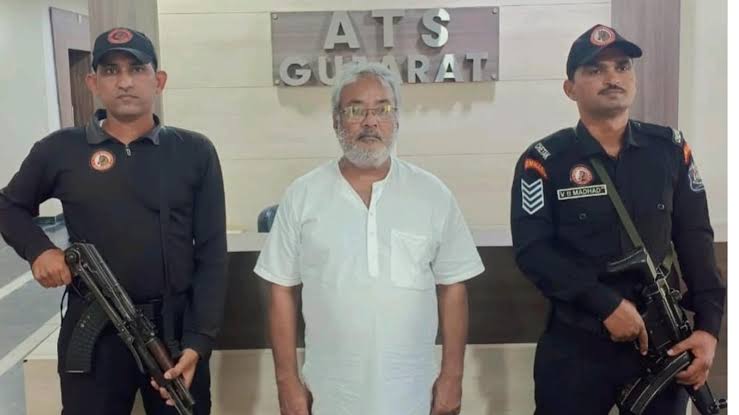
Gujarat ATS Takes Salim Ismail Dola into Custody in ₹438-Crore Vadodara Drug Case
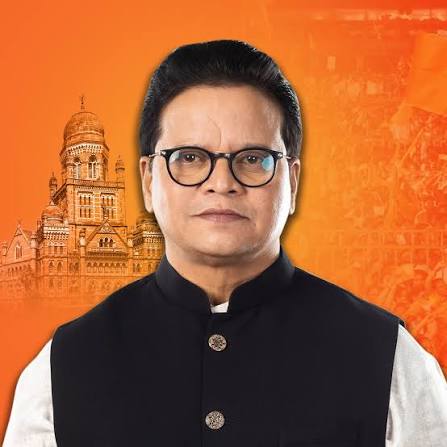
BMC Should Repost Dia Mirza’s Pollution-Free Diwali Video: Deputy Mayor Sanjay Ghadi
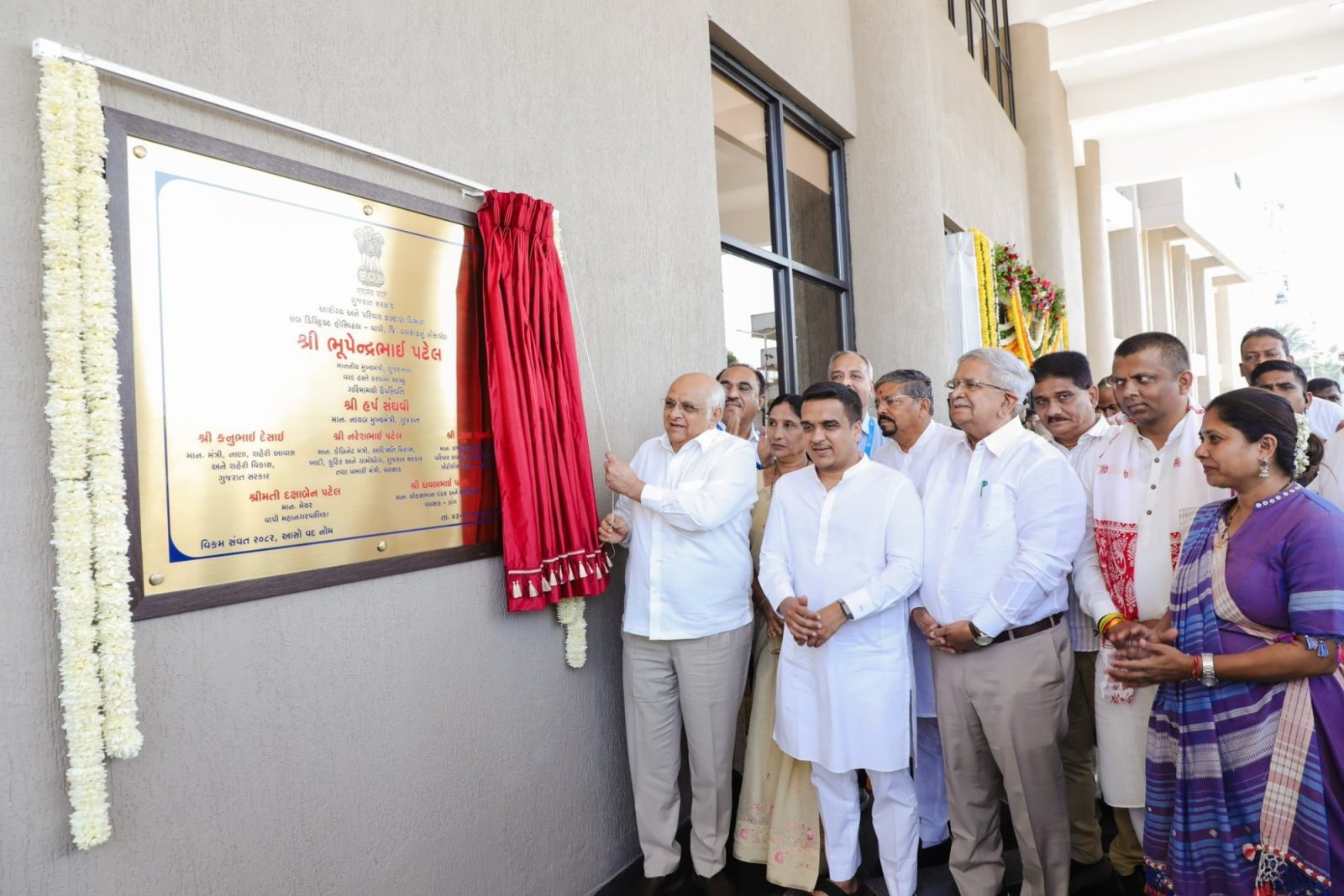
Gujarat CM Bhupendra Patel Inaugurates ₹48.22-Crore Modern Hospital in Vapi
Reader comments (0)
No comments yet. Be the first.