From Ram to Nation: PM Modi’s Message of Unity on Vijayadashami
On Vijayadashami, Prime Minister Narendra Modi spoke about Lord Ram’s ideals, the meaning of Ram Rajya, self-reliance and the importance of protecting India’s cultural heritage.

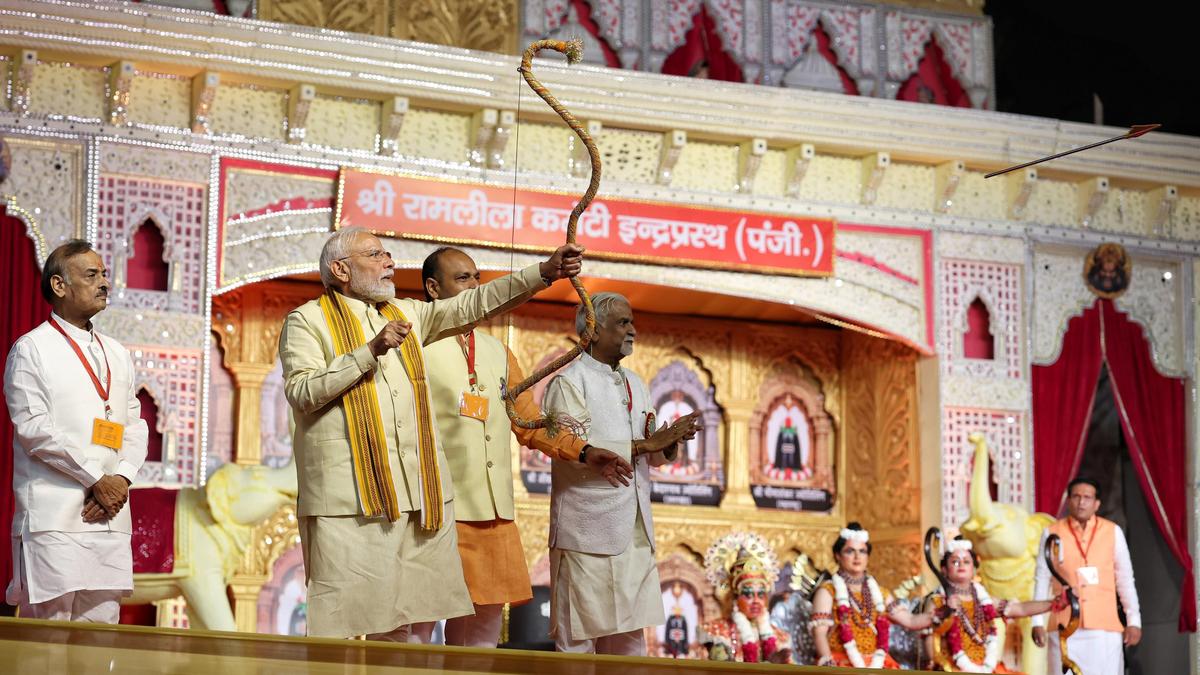
Why Lord Ram’s life still matters today
Dussehra, also known as Vijayadashami, is celebrated as the victory of good over evil. Across India, people organise Ramleela performances, burn effigies of Ravana and remember the life and teachings of Lord Shri Ram.
But the festival is about more than the defeat of Ravana. It also reminds people of the values Lord Ram stood for — truth, duty, compassion, justice and respect for others.
In his Vijayadashami address, Prime Minister Narendra Modi highlighted these ideals and explained how they remain relevant to India today. He said that faith in Lord Ram is rooted not only in the story of Ravana’s defeat but also in the example Lord Ram set through his own life.
Lord Ram’s biggest lesson: Stay on the right path, even in difficult times
Lord Ram’s life was full of challenges. He had to leave his kingdom and spend years in exile in the forest. Yet, according to the traditional account, he did not allow either success or suffering to change his commitment to his principles.
Modi referred to a verse that describes this quality: Lord Ram remained calm when he was offered the kingdom and remained equally composed when he had to go into exile.
The message is simple. A person’s character is not judged only by how they behave when everything is going well. It is also judged by how they respond when life becomes difficult.
The Prime Minister also referred to Lord Ram’s interactions with Nishadraj and Shabari. These stories are remembered for their message of affection, respect and human dignity.
The larger lesson is that compassion and respect should not depend on a person’s social position or background.
What does Ram Rajya actually mean?
One of the important themes of the address was Ram Rajya — a term often used to describe an ideal system of governance.
In simple words, Ram Rajya means a society where people are treated fairly, justice is accessible to everyone, opportunities are not restricted to a privileged few, and those in power work for the public rather than themselves.
Modi said that Lord Ram’s rule in Ayodhya continues to be remembered as an example of good governance.
He also quoted Goswami Tulsidas, whose verse describes Ram Rajya as a state in which people are free from suffering.
The idea is not simply about having a powerful ruler. It is about creating a system in which ordinary people can live with dignity and receive justice.
Modi connected this ideal with the principle of Citizen First. In other words, the needs and welfare of citizens should remain at the centre of government decisions. He also stressed the importance of serving poor and deprived communities.
From Lord Ram’s journey to the goal of a developed India
Another key message in the speech was self-reliance.
Modi referred to Lord Ram’s challenge of reaching Lanka across the sea. The distance was great, and the task appeared difficult. But Lord Ram did not give up. He brought people together, used the available resources and worked towards the goal.
The Prime Minister used this example to explain why India should have confidence in its own abilities.
He linked the lesson to two national goals: a Viksit Bharat, or developed India, and an Atmanirbhar Bharat, or self-reliant India.
The message was that progress requires more than setting ambitious targets. It also requires public participation, the effective use of resources, hard work and a willingness to solve problems instead of waiting for others to do so.
In everyday terms, the idea is straightforward: identify the challenge, bring people together and keep working towards a solution.
Why India’s cultural heritage matters
Modi also spoke about the importance of protecting India’s history and cultural identity.
He said that more than 650 ancient idols had been brought back to India over the preceding 12 years. He also pointed to India’s cultural sites receiving international recognition and mentioned Diwali’s inclusion on UNESCO’s Intangible Cultural Heritage list.
The broader point was that a country’s identity is connected to its history, traditions, art and cultural practices. Protecting these things helps preserve them for future generations.
At the same time, cultural heritage is not limited to monuments and ancient objects. It also includes festivals, stories, traditions and the values passed from one generation to another.
Note: UNESCO’s Intangible Cultural Heritage list recognises living traditions and cultural practices, which is different from its World Heritage List for cultural and natural sites.
Vijayadashami and the message of unity
Towards the end of his address, Modi described Vijayadashami as a reminder that truth and humanity can ultimately overcome evil.
He quoted a Vedic verse that calls for unity in thought, discussion and collective action. He said that people and institutions should work together in the national interest.
The speech also used strong language about forces that, in the Prime Minister’s view, attack India’s dignity, divide society or show hostility towards its culture. He called for people to identify and defeat such forces while keeping the nation first.
This part of the address connects the festival’s traditional message of victory over evil with a broader appeal for national unity and patriotism.
The larger message: From Ram to national duty
The address brought together religious tradition, governance, self-reliance, cultural heritage and national identity.
Its central message was that remembering Lord Ram should mean more than celebrating a festival. It should also encourage people to act with honesty, treat others fairly, help those in need and take responsibility for society.
Modi referred to the idea expressed during the consecration ceremony of the Ram Temple in Ayodhya: “From Ram to Nation” and “From Divinity to National Duty.”
Put simply, the message is that faith should inspire people to do their duties towards others and the country.
As Dussehra is celebrated across India, the story of Lord Ram continues to carry different meanings for different people. But its enduring themes — the struggle between right and wrong, the importance of duty, and the hope that good can prevail — remain at the heart of the festival.
Report a mistake
Related stories
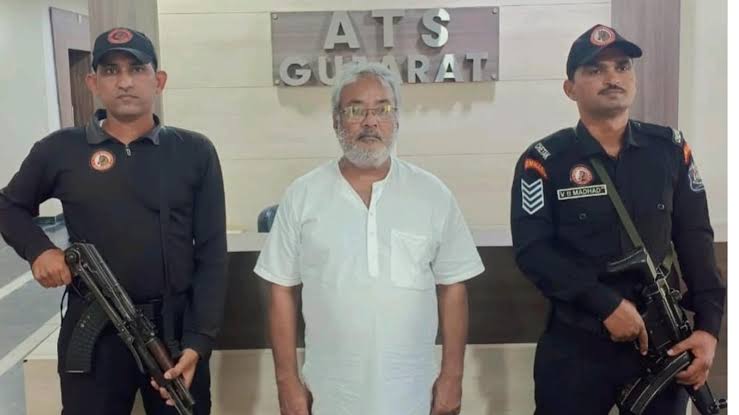
Gujarat ATS Takes Salim Ismail Dola into Custody in ₹438-Crore Vadodara Drug Case
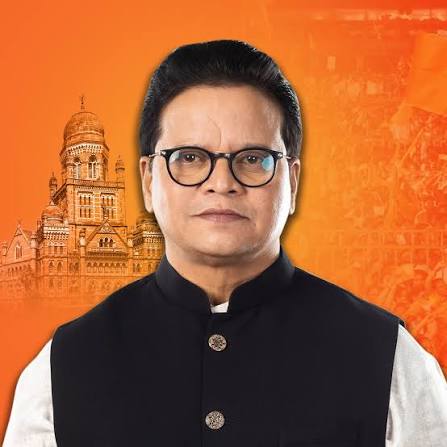
BMC Should Repost Dia Mirza’s Pollution-Free Diwali Video: Deputy Mayor Sanjay Ghadi
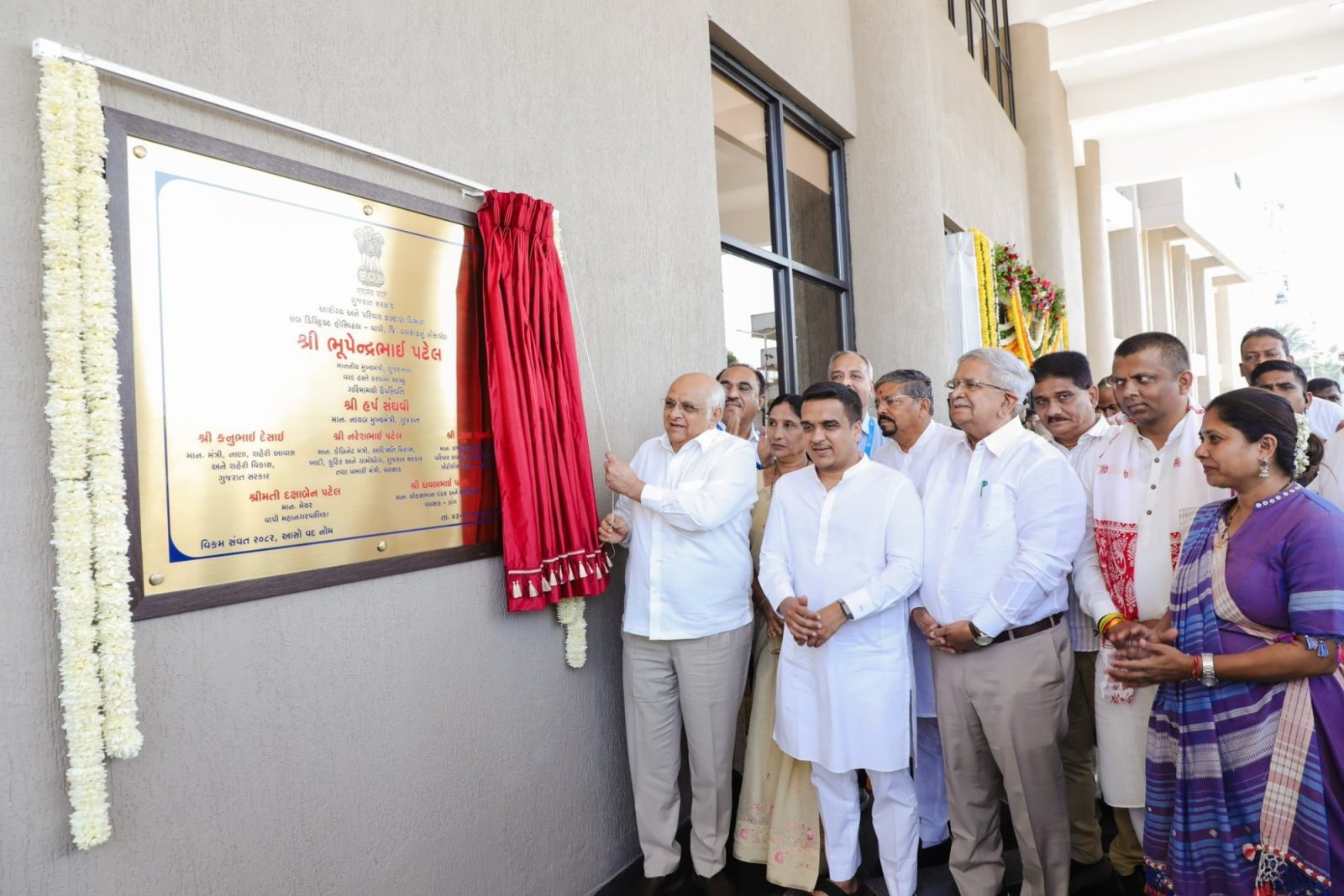
Gujarat CM Bhupendra Patel Inaugurates ₹48.22-Crore Modern Hospital in Vapi
Reader comments (0)
No comments yet. Be the first.