Ladakh Rejects Centre’s Draft: Why Leaders Want Article 370-Like Powers
Ladakhi representatives have rejected the Centre’s 32-page draft on constitutional safeguards, saying the proposed elected body may not have enough power to protect the region’s land, culture and political interests.

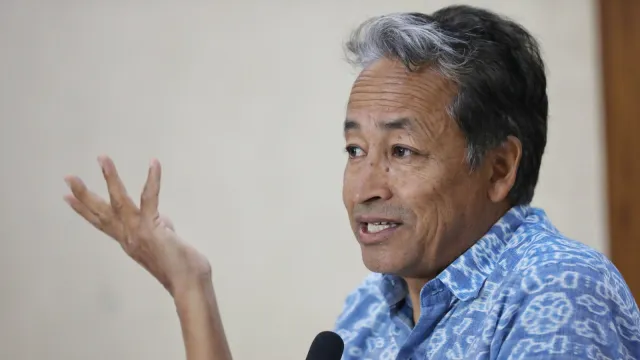
The political deadlock between Ladakh’s leadership and the Central Government has deepened after local representatives rejected a new proposal on the region’s future governance.
The Ministry of Home Affairs had presented a 32-page draft outlining a possible administrative and political framework for Ladakh. But representatives of the Leh Apex Body and the Kargil Democratic Alliance said the proposal did not meet their expectations and accused the Centre of moving away from assurances made during earlier negotiations.
At the heart of the disagreement is a simple question: Will the people of Ladakh have real power to make decisions about their own region, or will the final authority remain with the Centre?
Ladakhi leaders want stronger constitutional protection for their land, culture, employment opportunities and natural resources. They are also demanding an elected body with meaningful powers.
Ashish Kundra, Chief Secretary of Ladakh and a member of the team negotiating with local representatives, said the leaders had asked for safeguards similar in some respects to the protections previously associated with Article 370 in Jammu and Kashmir.
Kundra said the demand included a provision under which certain laws passed by Parliament would not automatically apply to Ladakh without the consent of its proposed elected body.
He questioned whether this amounted to bringing back Article 370, which was revoked in 2019.
However, the two sides have not reached an agreement on the structure and powers of the proposed body. Here is what the dispute means and why it matters.
1. Why are Ladakhi leaders demanding constitutional safeguards?
Ladakh became a separate Union Territory in October 2019, following the reorganisation of the former state of Jammu and Kashmir.
Since then, many people in Ladakh have raised concerns about protecting the region’s distinct culture, tribal identity, land and environment.
Ladakh has a relatively small population, a distinctive cultural heritage and a sensitive Himalayan environment. Local representatives fear that decisions made without strong local safeguards could affect traditional land ownership, employment opportunities and the region’s natural resources.
Their demands have included statehood, protection under the Sixth Schedule of the Constitution and a stronger role for elected representatives in governing the region.
These demands are connected, but they are not identical. Statehood would change Ladakh’s overall constitutional status, while special safeguards could protect particular interests even if Ladakh remains a Union Territory.
The current negotiations are an attempt to find an arrangement that addresses these concerns. The disagreement is over whether the Centre’s proposed model would give Ladakh enough protection and democratic control.
2. What does Article 370 have to do with the dispute?
Article 370 gave Jammu and Kashmir a special constitutional position and limited how the Indian Constitution and laws made by Parliament applied to the former state.
In August 2019, the Central Government changed this arrangement, and Jammu and Kashmir was reorganised into two Union Territories: Jammu and Kashmir, and Ladakh.
Ladakhi representatives are not necessarily asking for every feature of the former Article 370 arrangement to return. The issue highlighted in the current talks is a particular kind of protection: allowing a proposed elected body to have a say over whether certain parliamentary laws should apply to Ladakh.
Kundra said the Centre questioned whether such a demand amounted to bringing back Article 370, arguing that the provision had already been removed.
This difference is important. Ladakhi leaders want a strong mechanism to protect local interests, while the Centre is exploring a different constitutional framework rather than restoring the old Article 370 arrangement.
The exact powers of any new body would need to be clearly defined in the proposed constitutional and legal provisions.
3. What is the Sixth Schedule, and why is Ladakh demanding it?
The Sixth Schedule of the Indian Constitution provides for autonomous district and regional councils in certain tribal areas of Assam, Meghalaya, Tripura and Mizoram.
In simple terms, it allows these councils to exercise specified powers over local matters, helping tribal communities protect their customs, land and social institutions.
Ladakhi leaders have sought similar constitutional protection because they want stronger safeguards for the region’s tribal communities, land and cultural identity.
Kundra argued that the Sixth Schedule was developed for a different geographical, historical and cultural context, particularly in parts of the Northeast. He said its relevance to Ladakh was not the same.
This is one of the key disagreements between the two sides. Ladakhi representatives want constitutional protections strong enough to address their concerns, while the Centre is considering a different model tailored specifically to the Union Territory.
The debate is therefore not only about the name of a constitutional provision. It is about what powers local representatives would receive and how securely those powers would be protected.
4. Why did Ladakhi leaders reject the 32-page proposal?
The Ministry of Home Affairs shared its draft with representatives following a meeting on October 15, 2026.
The document outlined a proposed administrative and political framework, including constitutional safeguards and an elected body for Ladakh.
But leaders from Leh and Kargil rejected the proposal, saying it fell short of earlier understandings with the Centre.
Their main concern is the authority of the proposed body. They want an institution that can make meaningful decisions rather than one that has limited powers while important decisions remain with the administration appointed by the Centre.
The Centre, meanwhile, has described the document as a draft for discussion rather than a final decision.
Kundra said the proposal should be studied carefully and that the final arrangement should emerge through discussion and agreement. He also said the government did not want to impose a framework unilaterally.
The disagreement shows that presenting constitutional safeguards on paper is not enough to settle the issue. Both sides must agree on how those protections would work in practice.
5. What kind of elected body does the Centre want to create?
The Centre has indicated that it is considering a special arrangement under Article 371 of the Constitution.
According to Kundra, the idea is to create a directly elected body that would be different from both a full-fledged state legislature and a Union Territory legislature.
The proposed model is intended to provide constitutional safeguards while keeping Ladakh’s existing status as a Union Territory.
The Centre has said the framework could address the protection of land, culture, natural resources and other local interests.
But Ladakhi representatives want clarity about the powers the body would actually exercise, including its role in legislation, administration, planning and finances.
This is the central challenge: an elected body may give people a voice, but its effectiveness depends on the authority it is legally allowed to exercise.
The proposal would need to explain who makes decisions, which subjects fall under local control and what happens if the elected body disagrees with the Union Territory administration.
Until these questions are settled, the two sides are likely to remain divided.
6. What happens next in the negotiations?
Kundra has said the proposed constitutional amendments and democratic structure must emerge through discussion and deliberation. He said the Centre wants a framework that has broad agreement among Ladakh’s leaders.
The local representatives, however, remain dissatisfied with the draft and have accused the Centre of stepping back from earlier assurances.
Further talks will need to address the key points of disagreement, especially the powers of the proposed elected body and the legal strength of the safeguards.
The outcome matters because any arrangement created now could shape Ladakh’s governance for years to come.
A lasting solution will require more than an announcement of constitutional protection. It will require clear rules, meaningful local representation and agreement on how the proposed system will operate.
The bottom line
The dispute between Ladakh’s leaders and the Centre is about autonomy, constitutional protection and political power.
Ladakhi representatives want stronger guarantees for their land, culture and resources, along with an elected body that can make meaningful decisions. The Centre is proposing a different model under Article 371 rather than restoring Article 370 or simply adopting the Sixth Schedule framework.
The two sides agree that Ladakh needs a governance arrangement suited to its circumstances, but they disagree over how much authority the proposed body should have.
The key question now is whether further negotiations can produce a framework that protects Ladakh’s interests while winning the confidence of its people.
Report a mistake
Related stories
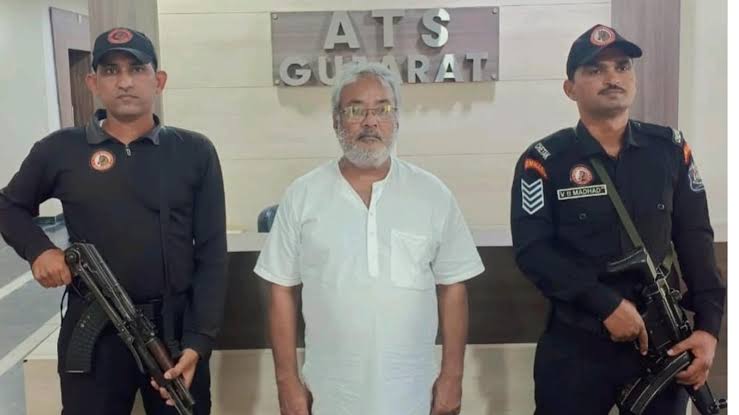
Gujarat ATS Takes Salim Ismail Dola into Custody in ₹438-Crore Vadodara Drug Case
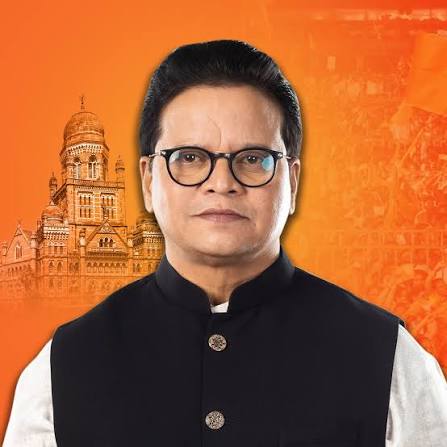
BMC Should Repost Dia Mirza’s Pollution-Free Diwali Video: Deputy Mayor Sanjay Ghadi
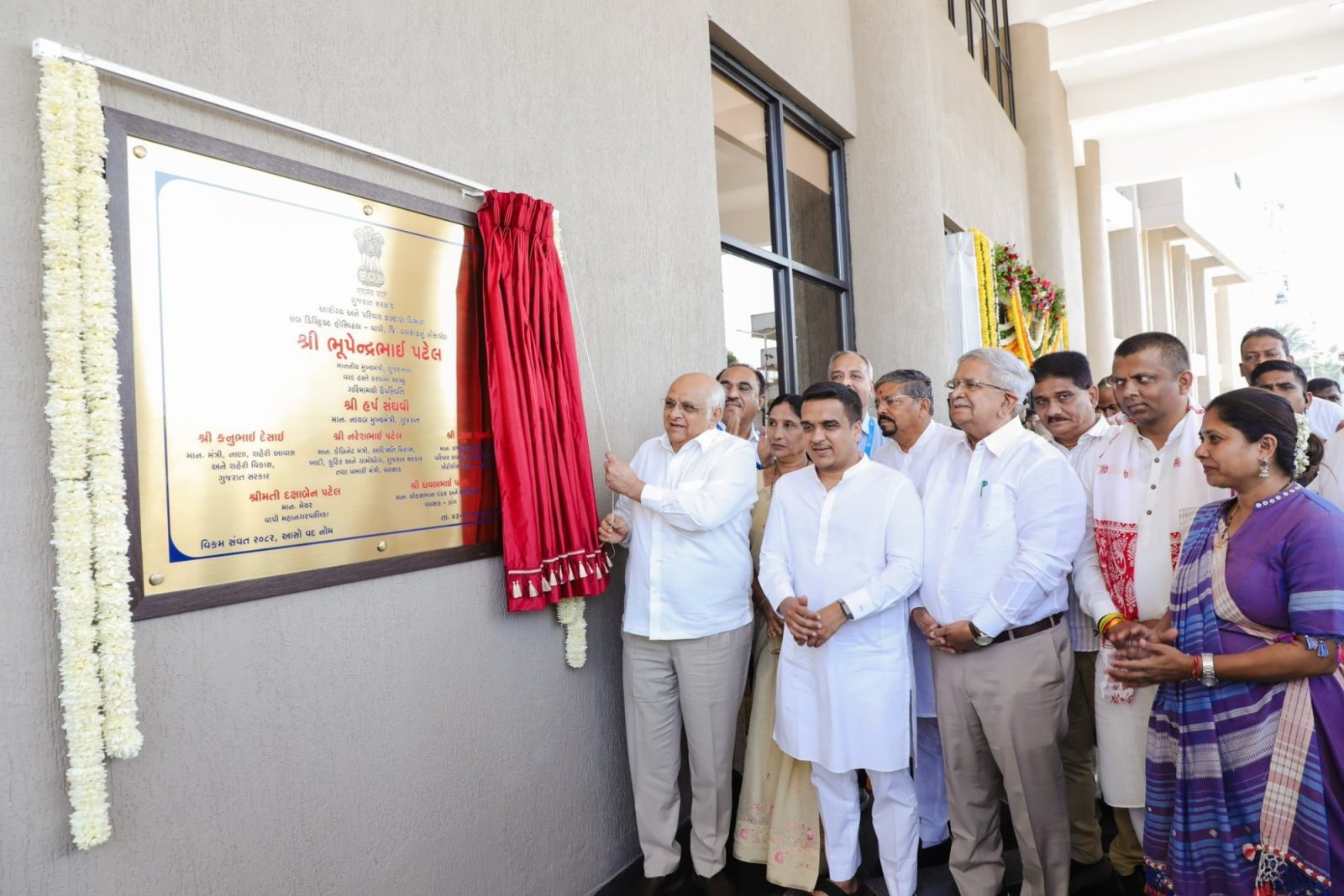
Gujarat CM Bhupendra Patel Inaugurates ₹48.22-Crore Modern Hospital in Vapi
Reader comments (0)
No comments yet. Be the first.