K Annamalai Questions Centre Over CJP Protest Crackdown, Jantar Mantar Ban and Police Action
Former Tamil Nadu BJP chief K Annamalai has criticised the Centre's handling of Cockroach Janta Party protesters, raising questions about preventive detention, bail proceedings, pellet guns and the right to protest.

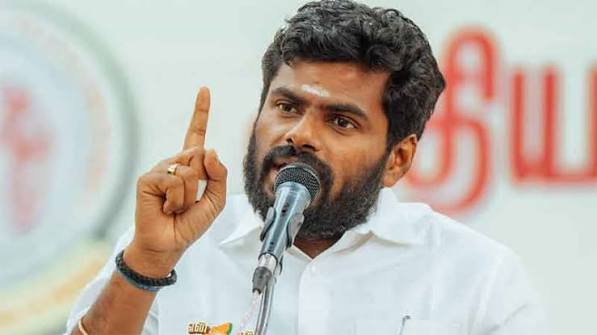
Former Tamil Nadu BJP president and ex-IPS officer K Annamalai has questioned the Central government over its handling of protests by the Cockroach Janta Party (CJP) in Delhi.
In a post on X on Wednesday, Annamalai raised concerns about the removal of Jantar Mantar's status as a protest site, preventive detentions, the handling of bail proceedings and the reported use of pellet guns by Delhi Police.
His comments are notable because he was once a senior BJP leader in Tamil Nadu. Annamalai resigned from the party's primary membership in June. In his latest post, he criticised the government's approach to dissent and argued that people should be allowed to question the authorities, even when their views or methods are unpopular.
He also referred to Prime Minister Narendra Modi's remarks during the 2011 anti-corruption movement, when Modi was Gujarat Chief Minister, to make a broader point about how political leaders view protests when they are in opposition and when they are in power.
So, what exactly has Annamalai questioned, and why does this matter?
1. Annamalai says the right to protest must be protected
Annamalai made it clear that he does not necessarily support the CJP's methods or agree with everything its members say.
However, he argued that disagreement with a protest group should not take away its right to raise issues it considers important.
In his post, he said that even if some CJP members were misguided, they still had the right to oppose, argue and protest.
This is the central point of his criticism: the right to protest should not depend on whether the government agrees with the people protesting.
In a democracy, citizens can question government decisions and organise peaceful demonstrations. At the same time, protests remain subject to lawful restrictions, and the authorities can act where there is a valid legal basis.
The question, therefore, is not simply whether the government likes a protest. It is whether the restrictions and police action are lawful, proportionate and consistent with due process.
2. Why is Jantar Mantar at the centre of the controversy?
Jantar Mantar in New Delhi has long been associated with public demonstrations and political protests.
Annamalai questioned how the site was removed from its status as a designated protest location. According to his post, the decision followed a standing order of the Union Home Ministry, even though CJP had submitted a letter seeking permission to hold a protest.
He wants the government to explain the process behind the decision and why the group was not allowed to demonstrate there.
The issue matters because a designated protest site provides a recognised place where people can gather to express their views. If access to such a location is restricted, protesters may have to seek permission for another venue or challenge the decision through the appropriate legal process.
However, the precise legal basis for the reported de-notification, the relevant order and its application to the CJP request would need to be checked against official records. Annamalai's questions are allegations and demands for an explanation, not by themselves proof that the decision was unlawful.
3. What is preventive detention, and why has Annamalai questioned it?
Another major issue raised by Annamalai is the use of preventive bonds and preventive detention-related procedures.
In simple terms, preventive action is intended to stop a possible breach of the peace before it occurs. Depending on the law and the circumstances, an Executive Magistrate may require a person to provide a bond promising to maintain peace or good behaviour.
This is different from deciding whether a person is guilty of a criminal offence after a trial.
Annamalai questioned the powers exercised by an Assistant Commissioner of Police who was acting as a Special Executive Magistrate in the CJP matter. He argued that the arrangement raises concerns when the police are involved in the case and a police officer is also exercising magisterial powers over preventive proceedings.
His concern is about the appearance of fairness and the need for due process.
The legal position, however, depends on the specific statutory powers involved and the circumstances of the proceedings. The fact that an officer holds a police rank does not, on its own, establish that every order passed by that officer is invalid. The relevant question is whether the officer acted within the law and followed the required procedure.
4. Questions over bail proceedings and rejected sureties
Annamalai also raised questions about a hearing on October 19 involving people arrested at Jantar Mantar on October 13.
He alleged that the Special Executive Magistrate arrived late for the bail-related hearing and later recused himself, citing a threat to his life.
He further questioned why eight sureties were rejected and why a person who came forward as a surety was subjected to questioning by the magistrate.
A surety is a person who undertakes a legal responsibility, subject to the applicable rules, to help ensure that someone released on bail or under a bond complies with the required conditions.
Rejecting a surety can have serious consequences for the person seeking release. That is why the reasons for rejection and the procedure followed can become important legal questions.
Annamalai's post raises concerns about how these decisions were made. But establishing whether the proceedings were improper would require the relevant orders, hearing records and the authorities' explanation. The allegations should not be treated as judicial findings.
5. Annamalai asks about the reported use of pellet guns
Annamalai also asked whether any action had been taken over the reported use of pellet guns and other police measures during protests linked to the NEET examination issue.
He alleged that Delhi Police had violated standard operating procedures during the demonstrations.
The question is significant because the use of force by police must comply with applicable law and operational rules. Any allegation of excessive or unauthorised force needs to be examined on the basis of evidence, including official records and available footage.
Annamalai compared the treatment of the CJP protesters with how demonstrators were handled during earlier Congress and Aam Aadmi Party governments in Delhi.
He questioned whether BJP workers who had jumped barricades or disobeyed police orders in the past had been treated in the same way.
His argument was that the authorities should apply the law consistently, regardless of the political identity of the protesters or the party in power.
6. Why did he bring up the 2011 anti-corruption movement?
Annamalai referred to the anti-corruption movement of 2011 and recalled remarks attributed to Modi, who was Gujarat Chief Minister at the time.
He used the comparison to question whether the approach towards protest changes when a party moves from opposition to government.
The wider political point is straightforward: leaders often defend the right to protest when they are challenging the government, but public expectations change when those same leaders hold power.
Annamalai argued that the Centre should respond to questions about police action and legal procedures rather than dismissing criticism.
He also criticised what he described as whataboutism—responding to a criticism by pointing to the alleged mistakes of political opponents instead of addressing the original question.
7. Annamalai challenges the use of the “anti-national” label
Towards the end of his post, Annamalai criticised the tendency to describe protests or statements against the Central government as anti-national or as being funded by foreign forces.
He pointed out that the Union Home Ministry oversees the Foreign Contribution (Regulation) Act, or FCRA, which regulates foreign contributions to certain organisations and individuals under Indian law.
He argued that India has agencies and diplomatic networks capable of investigating genuine links with foreign adversaries, and that allegations should not automatically be used to discredit every protest.
This does not mean that foreign interference should never be investigated. It means that such claims need evidence and proper investigation rather than being used as a blanket response to political criticism.
Annamalai also said the government had been in power in Delhi for more than 12 years and accused it of continually creating an enemy to remain politically relevant.
His remarks were a direct challenge to the Centre's response to dissent, although they do not establish whether any specific allegation of foreign funding or interference is true or false.
8. What does this controversy mean for democratic accountability?
The controversy raises several separate questions: whether the protest site was removed through the proper process, whether preventive procedures were applied fairly, whether the sureties were rejected for valid reasons, and whether police use of force followed the rules.
These issues must be examined individually, using official orders, legal records and any available evidence.
Annamalai has not said that he agrees with every CJP position. His argument is that a person's right to question the government should not depend on political loyalty or agreement with the protest's message.
That distinction matters. A democratic system can enforce the law and maintain public order while also protecting peaceful dissent. The two are not necessarily in conflict.
The bottom line: Annamalai's post has turned attention towards the handling of the CJP protests and the need for clear answers about police action and legal procedure. Whether the authorities acted lawfully in each instance will depend on the evidence and the applicable legal rules—not simply on the political arguments made by either side.
Report a mistake
Related stories
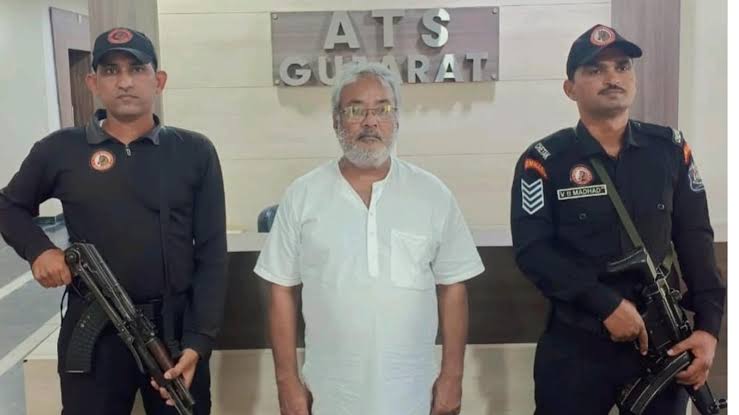
Gujarat ATS Takes Salim Ismail Dola into Custody in ₹438-Crore Vadodara Drug Case
BMC Should Repost Dia Mirza’s Pollution-Free Diwali Video: Deputy Mayor Sanjay Ghadi
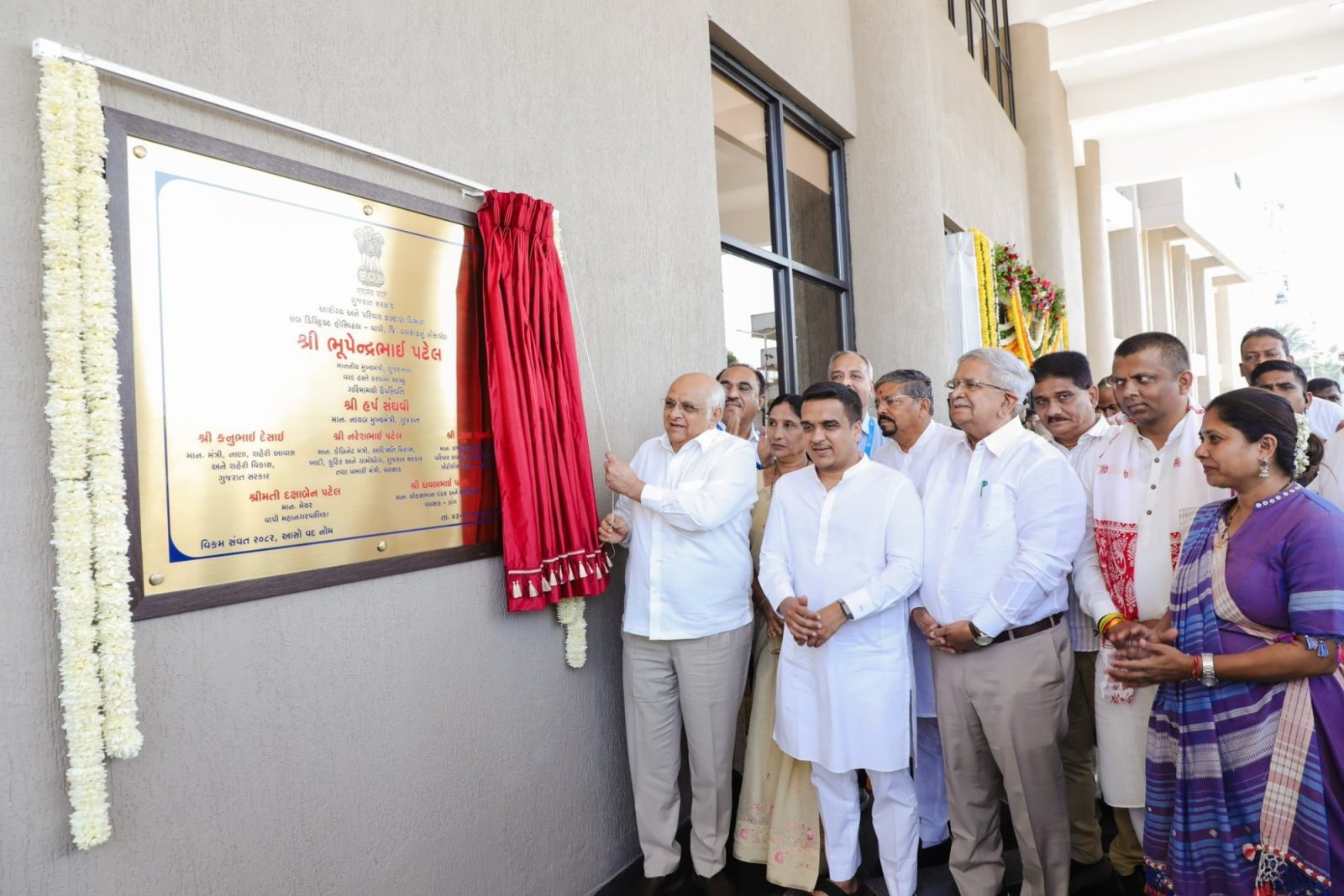
Gujarat CM Bhupendra Patel Inaugurates ₹48.22-Crore Modern Hospital in Vapi
Reader comments (0)
No comments yet. Be the first.