Gwalior Truck Accident: 12 Devotees Killed Near Sheetla Mata Temple; Checkpoint Failure Under Probe
At least 12 people died after a paddy-loaded truck broke through police barricades and hit devotees near Gwalior’s Sheetla Mata Temple. Authorities are investigating the cause and possible security lapses.

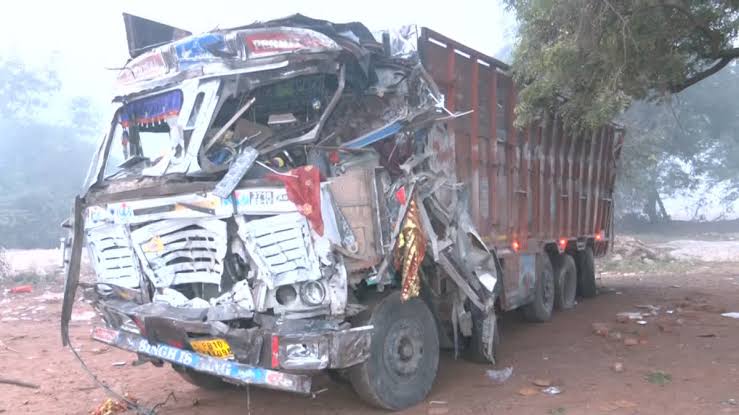
At least 12 people have died and several others have been injured after a truck loaded with paddy struck devotees near the Sheetla Mata Temple in Gwalior, Madhya Pradesh, early Sunday, October 18, 2026.
The accident occurred at around 1:30 am, when large numbers of devotees were travelling towards the temple during Navratri. According to Gwalior Senior Superintendent of Police (SSP) Dharmveer Singh, the truck was coming from the Chhinor side and entered a road with a steep downward slope, where heavy vehicles are restricted.
The truck reportedly broke through police barricades before running over people on the road and crashing into the temple’s gate and outer wall.
Police said 39 people were taken to hospital, including the 12 who died. Five to six injured people were reported to be in critical condition, while others suffered less serious injuries. Two police personnel who were on duty at the location were also injured.
Authorities have launched an investigation into how the truck crossed the checkpoint, why it lost control and whether the vehicle or security arrangements had any role in the tragedy.
What happened in the early hours of Sunday?
According to SSP Dharmveer Singh, devotees were travelling in large numbers towards the Sheetla Mata Temple when the truck approached from the Chhinor direction.
The road has a steep slope and restrictions on heavy vehicles. A police checkpoint and barricades had reportedly been installed to prevent unauthorised heavy traffic from entering during the Navratri rush.
However, the truck allegedly broke through the barricades and moved downhill, striking devotees who were walking along the road. It eventually crashed into the temple’s gate and outer wall.
The impact left several people injured and triggered an emergency response. Ambulances and other vehicles were sent to the site to transport the injured to hospitals.
An eyewitness, whose brother was among the injured, alleged that the truck was overloaded and came down suddenly, hitting people and shops. The eyewitness said that some people died at the scene.
The allegation about overloading has not yet been established through an official technical inspection. Authorities have sent a Regional Transport Office (RTO) team to examine the vehicle.
How did the truck cross a police checkpoint?
One of the most important questions in the investigation is how a heavy truck reached a road where such vehicles were reportedly restricted.
Gwalior Collector Ruchika Chauhan said a stopper and a police checkpoint were in place during Navratri. She said authorities were investigating how the truck managed to enter the restricted stretch.
Several possibilities may need to be examined, including whether the barricades were strong enough to stop a heavy vehicle, whether traffic restrictions were being enforced effectively and whether the truck entered the road despite clear instructions.
These are questions for investigators, not established explanations for the accident.
A checkpoint is meant to prevent vehicles from entering an area where they could endanger pedestrians or disrupt traffic. But a physical barricade alone may not be enough to stop a large, heavily loaded vehicle moving downhill. Safe arrangements can also require advance diversion signs, effective vehicle checks, trained personnel and a plan for what to do if a vehicle fails to stop.
Investigators will need to determine what arrangements were actually in place and whether any failure contributed to the loss of life.
Why is the steep slope an important factor?
A steep road can make it more difficult for a driver to control a heavy vehicle, especially when it is carrying a large load.
When a truck moves downhill, gravity pulls it forward. The driver must use the braking system to control speed. If the vehicle is overloaded, its weight and momentum can increase the distance needed to stop. If the brakes fail or the driver loses control, the truck may continue moving even when the driver attempts to slow it down.
However, the exact reason this truck lost control has not yet been confirmed. A steep slope does not automatically mean that the brakes failed, and an eyewitness allegation of overloading does not establish the vehicle's actual weight.
The RTO inspection can help determine the truck's mechanical condition and whether investigators find evidence of a technical fault. Other evidence, including the driver's account, vehicle documents, road conditions and available footage, may also be relevant.
Was the truck overloaded or did it suffer a mechanical failure?
These are two separate questions that investigators will need to examine.
Overloading: A truck is overloaded when the weight of its cargo and vehicle exceeds the permitted limit. Excess weight can affect braking, steering, tyre performance and vehicle stability. The authorities will need to check the truck's permitted carrying capacity, registration details and actual load before drawing a conclusion.
Mechanical failure: A fault in the braking system, steering or another critical component can affect a vehicle's ability to remain under control. A technical inspection can help identify such problems, although the final cause may depend on several pieces of evidence.
Driver conduct and route restrictions: Investigators may also examine whether the driver knew about the restrictions, whether the truck was authorised to use the road and what happened at the checkpoint.
No single explanation should be treated as confirmed until the investigation establishes the sequence of events.
What did the district administration say about the injured?
Collector Ruchika Chauhan said ambulances and other vehicles were dispatched after authorities received information about the crash.
She said injured people were undergoing medical examinations, including CT scans and X-rays, to assess their injuries and guide treatment.
A CT scan produces detailed images of internal structures, while an X-ray is commonly used to identify fractures and certain other injuries. Doctors decide which tests are necessary based on a patient's condition.
Early reports contained different figures for the number of injured people and deaths. The SSP's account stated that 39 people were taken to hospital, including 12 fatalities, while the Collector's initial statement referred to 29 injured people and 11 deaths. The latest figure in the police account provided for this report is 12 deaths.
The number of injured and the condition of those receiving treatment may change as hospitals update their records.
Why do religious gatherings need special traffic arrangements?
During Navratri, temples can attract large numbers of devotees, particularly on important days and at popular pilgrimage sites. People may travel on foot, in cars, on motorcycles and in public or private transport.
When pedestrians and vehicles use the same narrow road, the risk of a serious accident increases. A heavy vehicle entering a crowded stretch can be especially dangerous because it is difficult to stop quickly and may cause severe injuries if it strikes people.
Traffic and crowd-management plans at religious gatherings generally need to consider:
Restrictions on heavy vehicles: Trucks and other large vehicles may need to be diverted away from crowded temple roads during peak hours.
Clear diversion signs: Drivers should receive clear warnings before reaching a restricted road.
Effective checkpoints: Police should have a safe and workable method for preventing unauthorised vehicles from entering.
Pedestrian safety: Where possible, walking routes should be separated from vehicle traffic.
Emergency access: Ambulances and rescue teams must be able to reach injured people without delay.
Risk assessment: Authorities should account for steep slopes, narrow roads, large crowds and other local hazards.
These are general safety principles. The investigation will need to establish which measures applied to the road near Sheetla Mata Temple and whether they were properly implemented.
What happens next in the investigation?
Authorities have begun examining the accident, including how the truck crossed the checkpoint and what caused it to veer out of control.
The RTO team is expected to inspect the truck mechanically. Investigators may also examine vehicle records, the truck's load, the driver's account, the condition of the road and the placement of barricades.
Police will need to establish whether any traffic rules were violated and whether failures in enforcement or vehicle operation contributed to the deaths and injuries. Any legal action should be based on evidence gathered during the investigation.
The immediate priority remains the treatment of the injured and support for the families affected by the tragedy.
The bigger question: Could this accident have been prevented?
The crash has raised serious questions about road safety near a crowded religious site. If heavy vehicles were prohibited from using the steep road, investigators must establish how this truck reached the devotees despite the checkpoint.
The answer will require more than identifying the immediate movement of the truck. Authorities must examine the vehicle, the road, the traffic-control arrangements and the decisions made before the accident.
If the evidence establishes that safety rules were ignored or that preventable failures contributed to the tragedy, appropriate action will be necessary. At the same time, responsibility should not be assigned before the facts are established.
The bottom line: At least 12 people have died after a paddy-loaded truck broke through barricades and struck devotees near Gwalior's Sheetla Mata Temple. The vehicle's loss of control and its passage through a restricted route are central to the investigation. The final findings should establish what happened, why it happened and whether stronger safety measures could have prevented the tragedy.
Report a mistake
Related stories
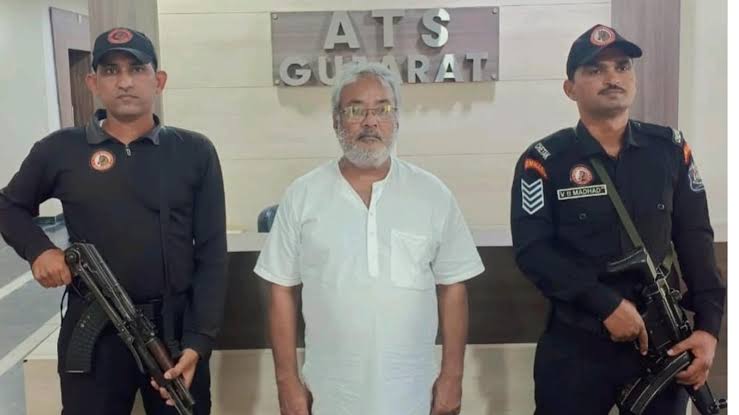
Gujarat ATS Takes Salim Ismail Dola into Custody in ₹438-Crore Vadodara Drug Case

BMC Should Repost Dia Mirza’s Pollution-Free Diwali Video: Deputy Mayor Sanjay Ghadi
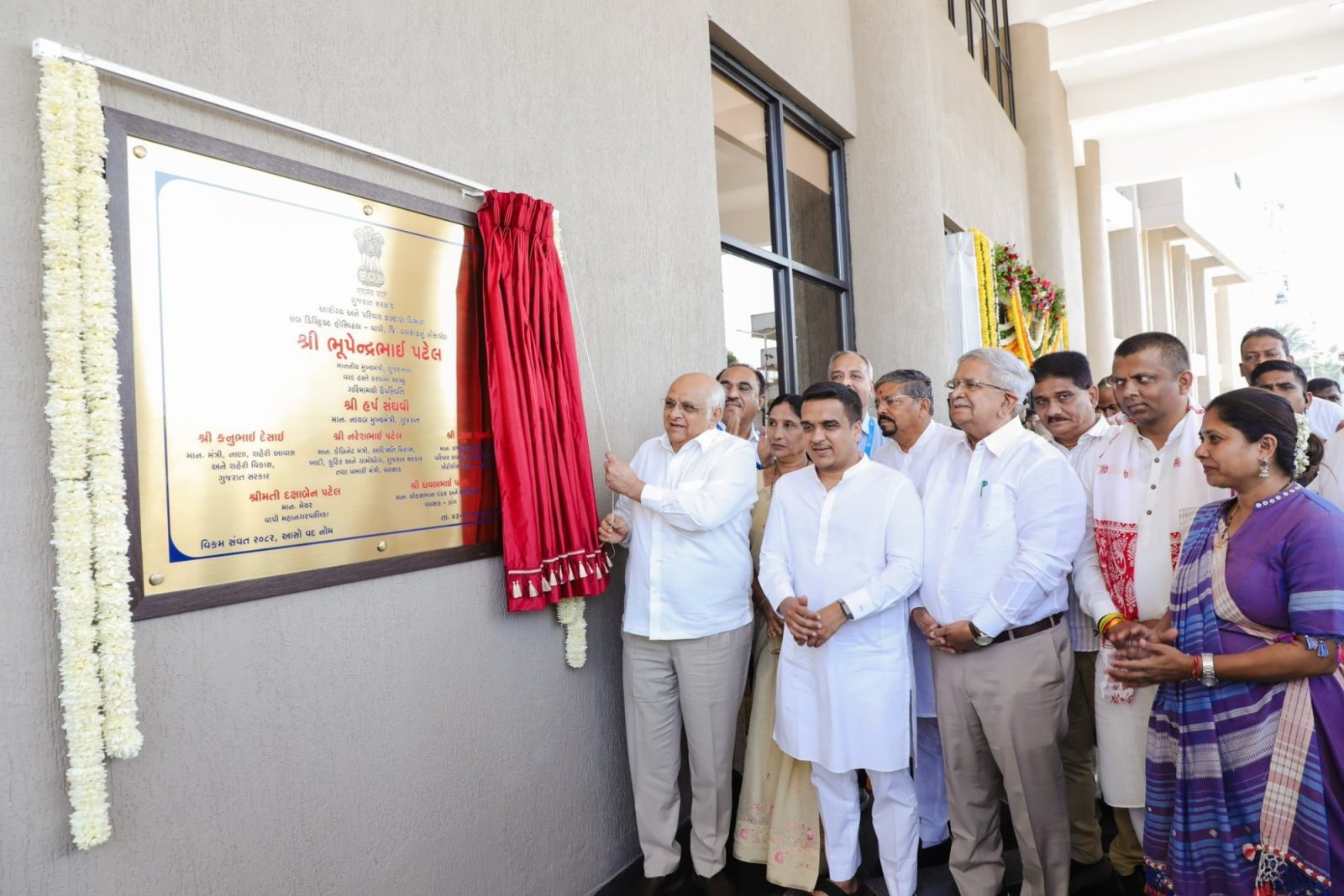
Gujarat CM Bhupendra Patel Inaugurates ₹48.22-Crore Modern Hospital in Vapi
Reader comments (0)
No comments yet. Be the first.