India-Bangladesh Border Clash: What Happened Near Cooch Behar?
A confrontation near the Saniajan River on the India-Bangladesh border has triggered fresh tension. Reports from the two countries differ over how the incident began and why sound grenades were allegedly used.

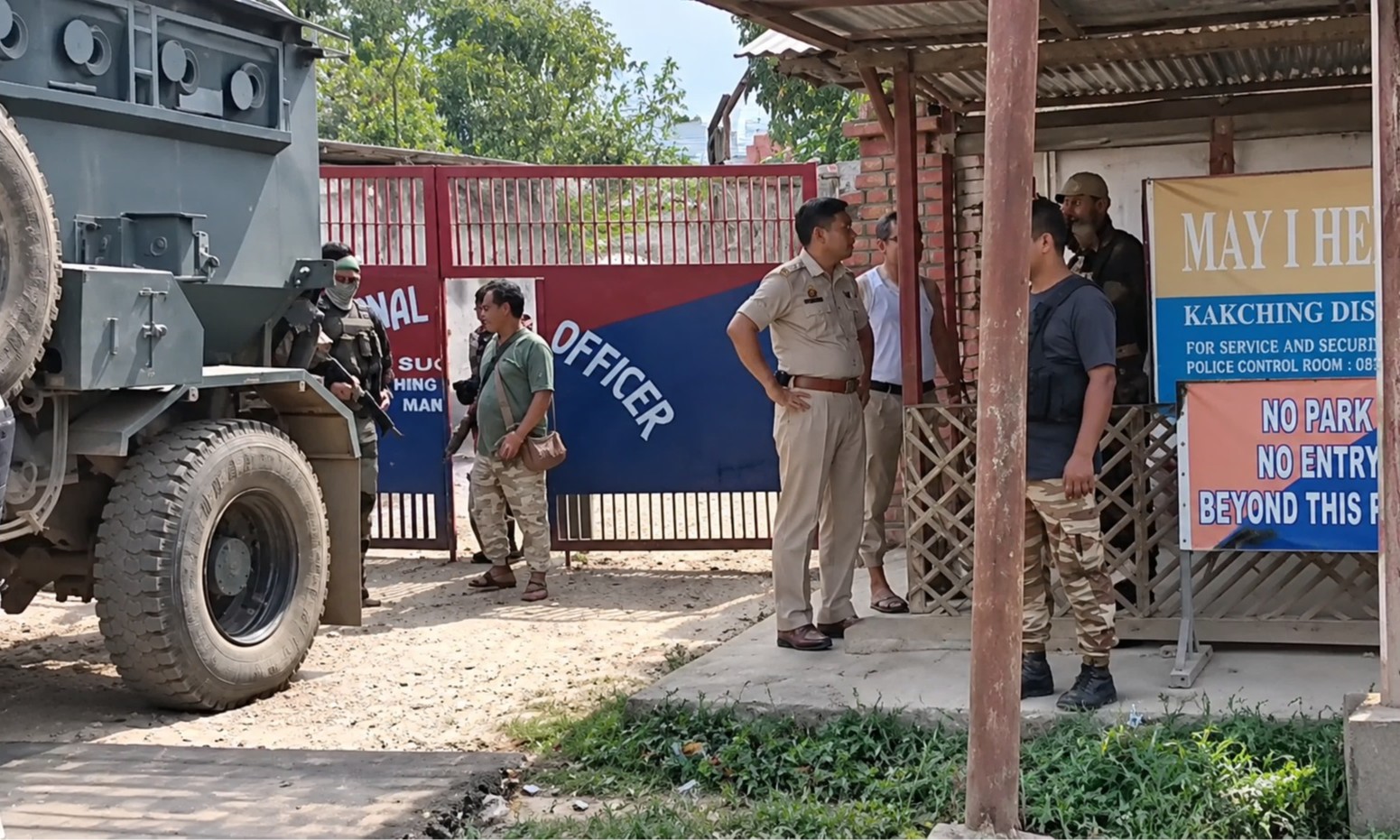
A confrontation broke out on Saturday, October 24, near the India-Bangladesh border in West Bengal’s Cooch Behar district. The incident took place near the Saniajan River, close to Mekhliganj in India and Patgram in Bangladesh, during the collection of sand and stones from the riverbed.
Reports from the two countries offer different accounts of what happened. Indian media reports described the incident as an attempt to stop alleged illegal sand and stone extraction from Indian territory. Bangladeshi reports, citing border officials and local residents, said Bangladeshi workers collecting stones accidentally crossed into India and that BSF personnel followed them back across the border.
How Did the Confrontation Begin?
According to reports from Bangladesh, around eight to ten workers were collecting stones from the Saniajan River near Burimari in Lalmonirhat district. They reportedly crossed into Indian territory while working near the border.
The reports say BSF personnel approached the workers, leading to a confrontation. When local residents arrived after hearing the workers’ calls for help, the situation reportedly escalated into stone-pelting and a clash involving sticks.
Indian media reports gave a different account, alleging that people involved in illegal sand and stone extraction were operating on the Indian side and attacked BSF personnel when they tried to stop them.
Were Sound Grenades Used?
Reports from Bangladesh alleged that BSF personnel used sound grenades while leaving the area. According to The Daily Star, the Border Guard Bangladesh (BGB) raised the matter with the BSF during a flag meeting held on Saturday evening.
The report said the BSF denied using sound grenades during the meeting. Indian media outlets, meanwhile, reported that BSF personnel used a grenade in response to the confrontation.
The available reports do not establish an independently verified account of every detail of the incident. No casualties were reported in the sources reviewed.
Why Is This Border Area Sensitive?
Cooch Behar shares a long international border with Bangladesh. According to the district administration, the district’s India-Bangladesh border stretches for about 549 kilometres, with several sections running alongside rivers.
River borders can make it difficult to clearly distinguish territorial boundaries on the ground. Illegal cross-border movement and disputes over river resources can therefore create security challenges for border forces and nearby communities.
What Happens Next?
The reported flag meeting between the BSF and BGB provided an opportunity to raise concerns about the incident. Further clarification from the two border forces would help establish the sequence of events and whether any border crossing or use of sound grenades occurred.
For now, the incident highlights the need for effective border management and communication between the two forces to prevent local disputes from escalating into a wider security concern.
Report a mistake
Related stories
Gujarat ATS Takes Salim Ismail Dola into Custody in ₹438-Crore Vadodara Drug Case

BMC Should Repost Dia Mirza’s Pollution-Free Diwali Video: Deputy Mayor Sanjay Ghadi

Gujarat CM Bhupendra Patel Inaugurates ₹48.22-Crore Modern Hospital in Vapi

Reader comments (0)
No comments yet. Be the first.