CJP Leaders Withdraw Delhi High Court Plea Challenging Judicial Custody
Cockroach Janta Party leaders Saurav Das and Ashutosh Ranka have withdrawn their petition challenging a two-day extension of their judicial custody in connection with protests against the Chief Election Commissioner.

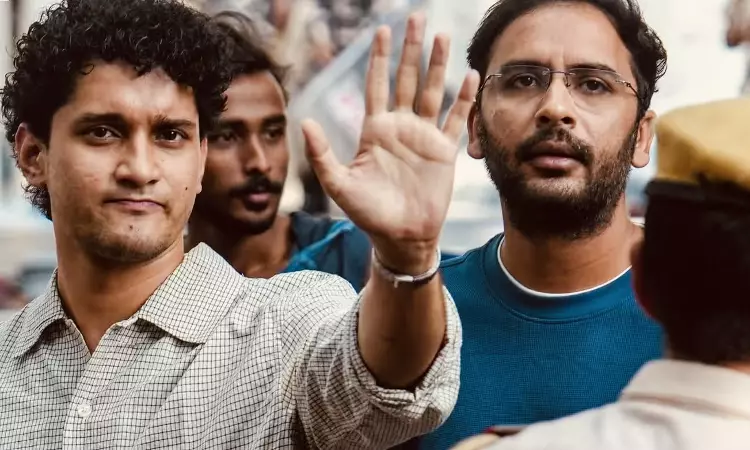
Two leaders of the Cockroach Janta Party (CJP), Saurav Das and Ashutosh Ranka, have withdrawn their petition from the Delhi High Court challenging an order that extended their judicial custody by two days.
The case is connected to protests against the Chief Election Commissioner (CEC). The leaders had approached the High Court to challenge an order passed by a Special Executive Magistrate extending their custody.
However, the petition was withdrawn after Justice Subramonium Prasad indicated that the court was not inclined to hear it because another legal remedy was available to the petitioners.
Why did the leaders withdraw their petition?
The key issue was whether the leaders could directly approach the High Court or should first use another legal route available under the law.
During the hearing, Justice Subramonium Prasad expressed reluctance to entertain the writ petition because of the availability of an alternative remedy.
In simple terms, an alternative remedy means that the law may provide another procedure or forum through which a person can challenge an order before asking the High Court to intervene through a writ petition.
Following the court's indication, Das and Ranka withdrew their plea.
What was the petition challenging?
The petition challenged the Special Executive Magistrate's decision to extend the leaders' judicial custody by two more days in connection with the anti-CEC protests.
Judicial custody generally means that an accused person is kept in jail or other authorised custody under a court's order while legal proceedings continue. It is different from police custody, in which the police hold an accused for investigation under the applicable legal process.
The leaders had questioned the custody-extension order before the Delhi High Court.
Does withdrawing the plea mean the court rejected their challenge?
No. There is an important distinction between withdrawing a petition and having it dismissed after a full hearing on its merits.
In this case, the leaders withdrew their petition after the judge expressed disinclination to entertain it because another legal remedy was available. This does not, by itself, mean that the High Court examined the legality of the custody-extension order and ruled against them.
The exact options available to the leaders next would depend on the applicable legal procedure and the circumstances of their case.
What happens next?
The immediate development is that the writ petition challenging the two-day extension of judicial custody has been withdrawn from the Delhi High Court.
The withdrawal does not, on its own, settle the broader questions surrounding the protests or establish whether the custody order was legally justified. Any further challenge would have to follow the appropriate legal process.
The case highlights a basic principle of court procedure: before a High Court considers a writ petition, it may examine whether the petitioner has another effective legal remedy available.
Report a mistake
Related stories
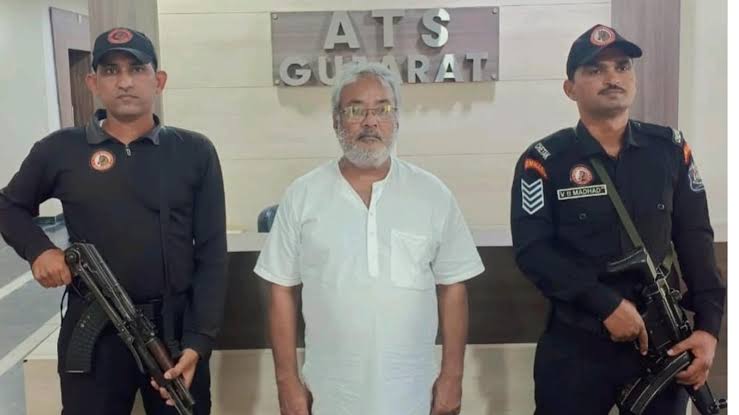
Gujarat ATS Takes Salim Ismail Dola into Custody in ₹438-Crore Vadodara Drug Case
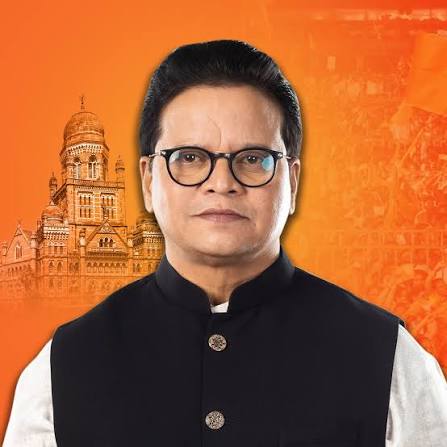
BMC Should Repost Dia Mirza’s Pollution-Free Diwali Video: Deputy Mayor Sanjay Ghadi
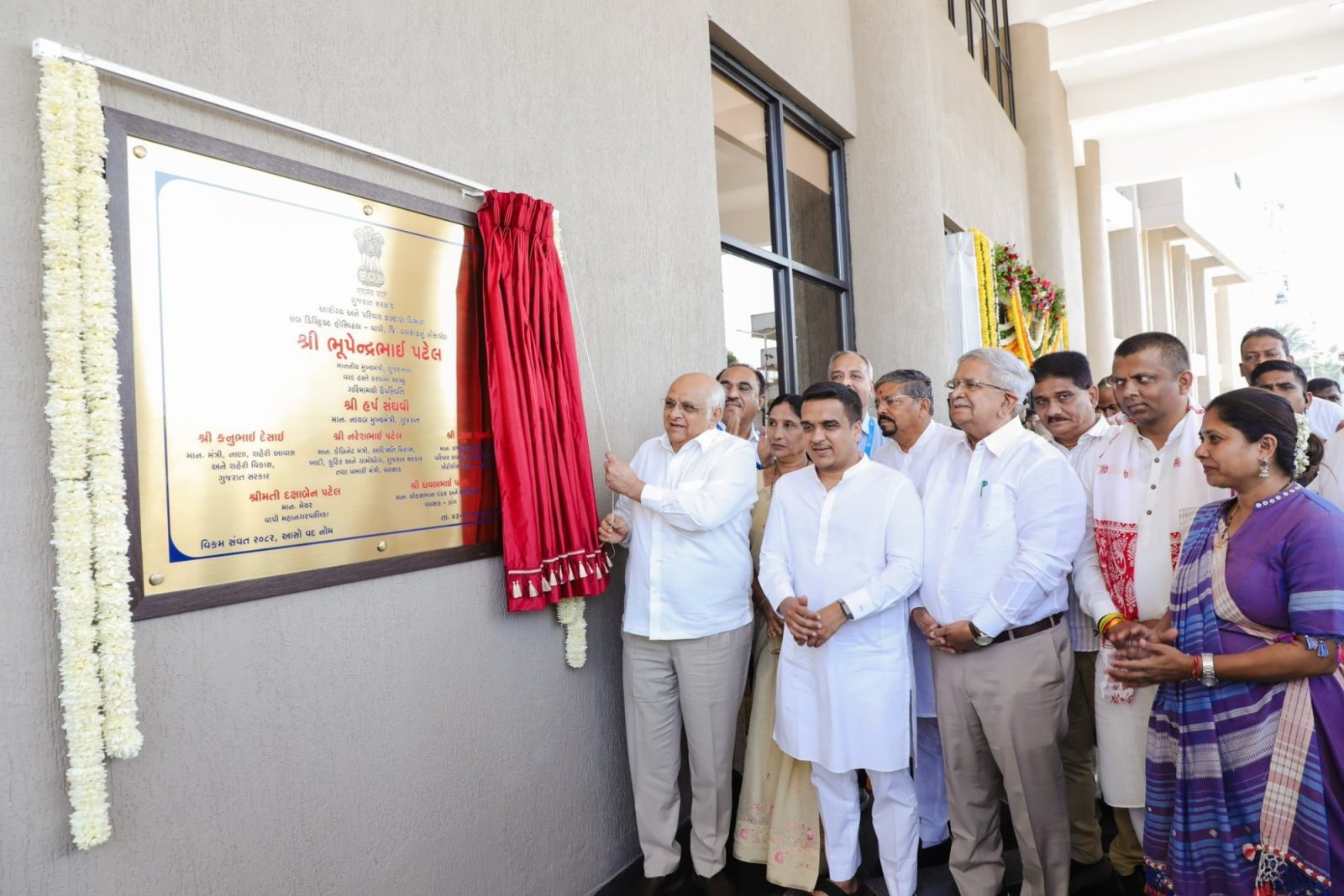
Gujarat CM Bhupendra Patel Inaugurates ₹48.22-Crore Modern Hospital in Vapi
Reader comments (0)
No comments yet. Be the first.