Cancer Drug Prices to Fall by Up to 70% From November 9: What Patients Need to Know
India will cap trade margins on 137 cancer medicines from November 9, 2026, with prices expected to fall by up to 70%. The move could reduce treatment costs for thousands of patients.

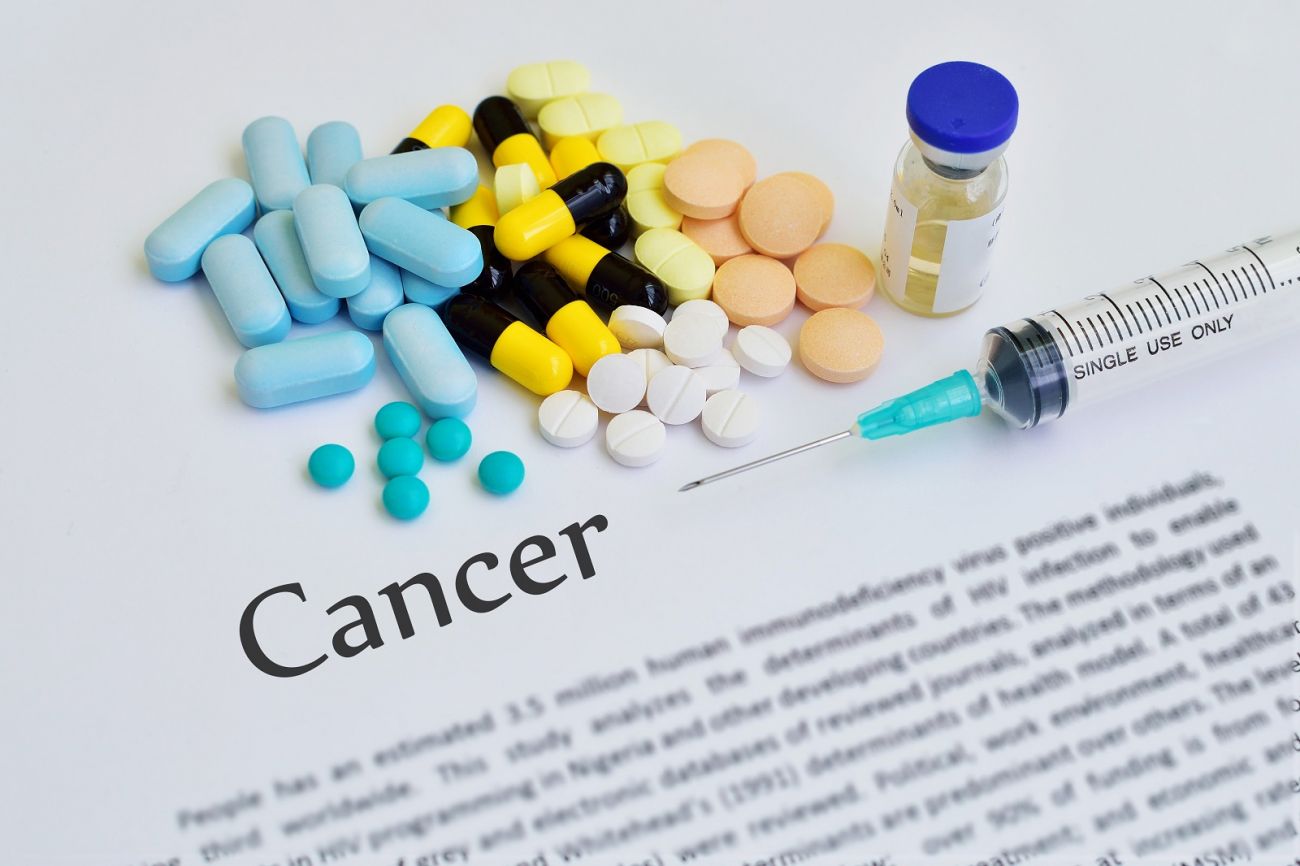
Cancer treatment in India may become more affordable after the government announced a price-control measure covering 137 anti-cancer medicines.
The National Pharmaceutical Pricing Authority (NPPA), which regulates medicine prices in India, has capped trade margins on these selected medicines at 30% of their maximum retail price (MRP), excluding Goods and Services Tax (GST).
The revised prices will come into effect on November 9, 2026.
The government expects the move to reduce the maximum retail prices of the covered medicines by up to 70%, depending on their existing prices and supply-chain mark-ups. It also estimates that patients could save around ₹2,500 crore every year.
However, this does not mean every cancer medicine will become 70% cheaper. The actual reduction will depend on the medicine, its current price and how its price is recalculated under the new rules.
Why are cancer medicines so expensive?
Cancer treatment can involve several expenses, including medicines, surgery, chemotherapy, radiation therapy, diagnostic tests, hospital stays and regular follow-up visits.
For some patients, the cost of medicines alone can be a major financial burden. Certain advanced cancer drugs can cost lakhs of rupees for a vial or pack, depending on the medicine and treatment plan.
One reason medicines can become expensive is the difference between the price at which a medicine enters the distribution chain and the maximum retail price eventually charged to patients.
A medicine may pass through manufacturers, stockists, distributors, retailers or hospitals before reaching the patient. The amount added at different stages can affect the final price.
The government says its analysis found that non-scheduled cancer medicines had an average trade mark-up of around 170%, with some mark-ups reaching 700%.
In simple terms, the price could increase substantially between the first sale to a stockist or distributor and the final price paid by the consumer.
The new measure aims to control excessive trade margins so that patients do not face unnecessarily high prices for selected cancer medicines.
What does the 30% trade-margin cap mean?
The term “trade margin” may sound complicated, but the basic idea is simple.
The government has introduced a limit on the margin allowed across the relevant trade and distribution chain for the listed medicines. The calculation is based on the medicine's maximum retail price, excluding GST.
For example, imagine a medicine has a revised MRP of ₹1,000 before GST. Under the new calculation, the permitted trade margin would be ₹300, or 30% of that MRP.
This is an illustration of how the percentage works, not the price of any particular cancer medicine.
The new cap corresponds to a mark-up of approximately 42.86% over the price paid by the stockist or distributor. The two percentages use different reference prices, which is why they are not the same.
The purpose is to allow a reasonable margin for the supply chain while preventing excessive mark-ups from making essential medicines unaffordable.
Which medicines are covered?
The order covers 137 selected non-scheduled anti-cancer medicines. The list was recommended by an expert committee under the Directorate General of Health Services.
The government says the selection was intended to cover medicines considered important for cancer treatment. The measure includes different categories of medicines, including patented and non-patented products.
Some medicines used in modern cancer treatment can be extremely expensive. The Times of India reported that the list includes medicines such as pertuzumab combined with trastuzumab, atezolizumab, teclistamab, inotuzumab ozogamicin and daratumumab.
However, patients should not assume that every cancer drug is included. The price-control order applies to the specific formulations covered by the official notification.
Patients and caregivers should check the official list or ask their hospital pharmacist whether their prescribed medicine is covered.
What is the difference between scheduled and non-scheduled medicines?
This distinction helps explain why the government has introduced the new measure.
Scheduled medicines: These are medicines included in the relevant schedule under the Drugs (Prices Control) Order. The NPPA fixes ceiling prices for these medicines, and sellers cannot charge above the applicable permitted price.
Non-scheduled medicines: These medicines are outside that scheduled list. Although other legal requirements still apply, they are not regulated through the same scheduled-drug ceiling-price mechanism.
The latest announcement focuses on selected non-scheduled cancer medicines. The government is using trade-margin controls to address large differences between the initial supply price and the final retail price.
This is not the first time the government has intervened in this area. In 2019, a similar exercise involving 42 selected non-scheduled anti-cancer drugs led to price reductions across 526 brands, with reported reductions of up to 90%.
The new decision extends the approach to a larger group of medicines.
How much money could patients save?
The government estimates that the latest measure could generate annual savings of around ₹2,500 crore for consumers.
The potential benefit for an individual patient will depend on the medicine being used, how often it is required and the size of the price reduction.
For example, a patient receiving an expensive medicine regularly may save substantially if its revised MRP is much lower. Someone whose prescribed medicine is not on the list may not receive a direct benefit from this particular order.
The savings estimate is a government projection, not a guarantee that every patient or household will save a specific amount.
It is also important to remember that cheaper medicines will not automatically reduce every part of a cancer patient's bill. Hospital charges, diagnostic tests, surgery, travel and other treatment expenses may remain unchanged.
When will the lower prices apply?
The revised prices are scheduled to take effect on November 9, 2026.
Manufacturers have been directed to inform the NPPA of their revised prices within seven days of publication of the notification. They must also make the updated prices available to retailers and hospitals.
Hospitals and medical institutions that supply these medicines directly will also need to follow the revised prices from the implementation date.
The government has said manufacturers must maintain current production levels to help prevent shortages. Companies intending to reduce monthly production will need prior permission, while those planning to discontinue covered formulations must inform the NPPA.
These conditions are important because a price reduction will provide little benefit if patients cannot obtain the medicines they need.
How can patients check the new prices?
Patients and caregivers should take the following steps:
Check the exact medicine name: Confirm the brand, active ingredient, strength and formulation prescribed by the oncologist.
Ask the hospital pharmacy: Check whether the medicine is included in the 137-drug order and what its revised MRP will be from November 9.
Compare the old and new prices: Ask for the updated price list rather than relying on estimates or social media messages.
Use official resources: The government has advised consumers to check the NPPA website or the Pharma Sahi Daam app for medicine-price information.
Keep the bill: Retain prescriptions and pharmacy bills so that any apparent overcharging can be checked against the applicable price.
Patients should not stop, delay or change prescribed cancer treatment because of this announcement. Any change in medicine or treatment schedule should be discussed with the treating oncologist.
What happens if a seller charges more than the permitted price?
The government has directed state drug controllers to monitor compliance by manufacturers, distributors, retailers, hospitals and other medical institutions.
Manufacturers must publish and widely share revised price lists, while hospitals and pharmacies are expected to display updated prices as required.
The notification also provides for action against manufacturers that do not comply, including recovery of overcharged amounts with interest under the applicable rules.
If a patient believes they have been charged more than the permitted price, they should preserve the bill and medicine packaging, confirm the applicable revised price and raise the matter with the pharmacy or hospital. They can also consult the NPPA's official resources or the relevant state drug-control authority.
Will this make cancer treatment affordable for everyone?
The decision could provide meaningful relief to patients who need the medicines covered by the order. But it is one part of the larger challenge of making cancer care affordable.
The overall cost of treatment varies widely according to the type of cancer, the stage at diagnosis, the medicines required and the duration of treatment. Patients may also need surgery, radiation, hospital care and repeated investigations.
Price regulation can reduce one part of the bill, but access to timely diagnosis, suitable treatment, reliable medicine supplies and financial support remains important.
The latest announcement is therefore a significant step in controlling the cost of selected cancer medicines, rather than a solution to every expense associated with cancer care.
The bottom line: From November 9, 2026, prices of 137 selected cancer medicines are expected to fall by up to 70 under the government's new trade-margin rules. Patients should check whether their prescribed medicine is covered and confirm its revised price with their hospital or pharmacy.
Report a mistake
Related stories
Gujarat ATS Takes Salim Ismail Dola into Custody in ₹438-Crore Vadodara Drug Case

BMC Should Repost Dia Mirza’s Pollution-Free Diwali Video: Deputy Mayor Sanjay Ghadi
Gujarat CM Bhupendra Patel Inaugurates ₹48.22-Crore Modern Hospital in Vapi

Reader comments (0)
No comments yet. Be the first.